{{ item.label }}
{{ item.value ? item.value : currencyFormat( item.amount ) }}
Subtotal
{{ currencyFormat( pricing_summary.total_amount ) }}
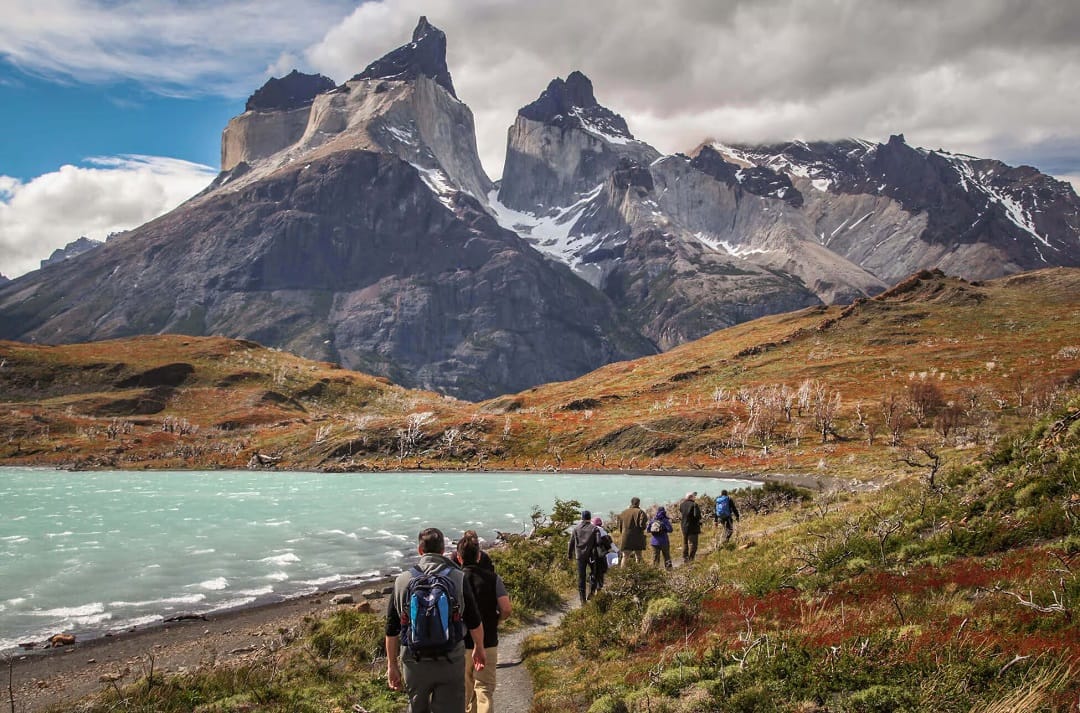
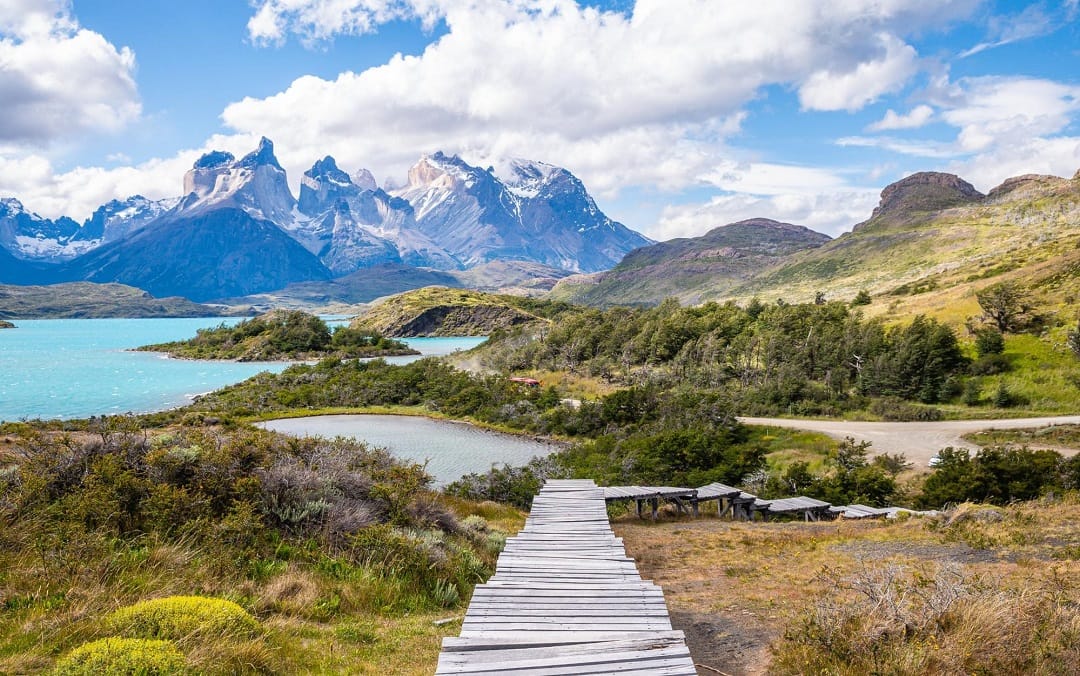
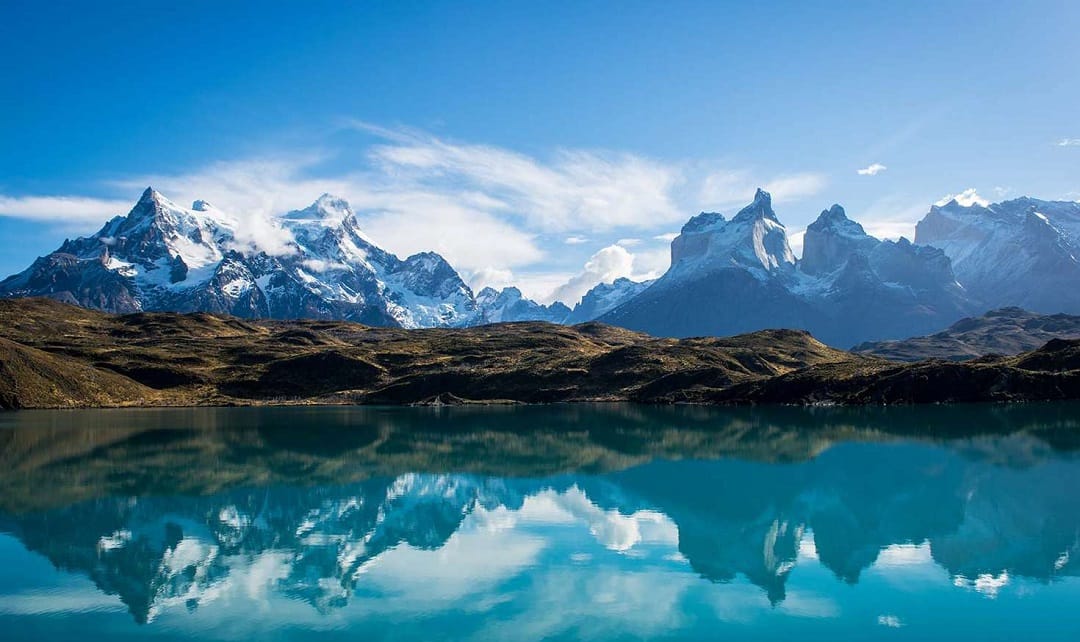
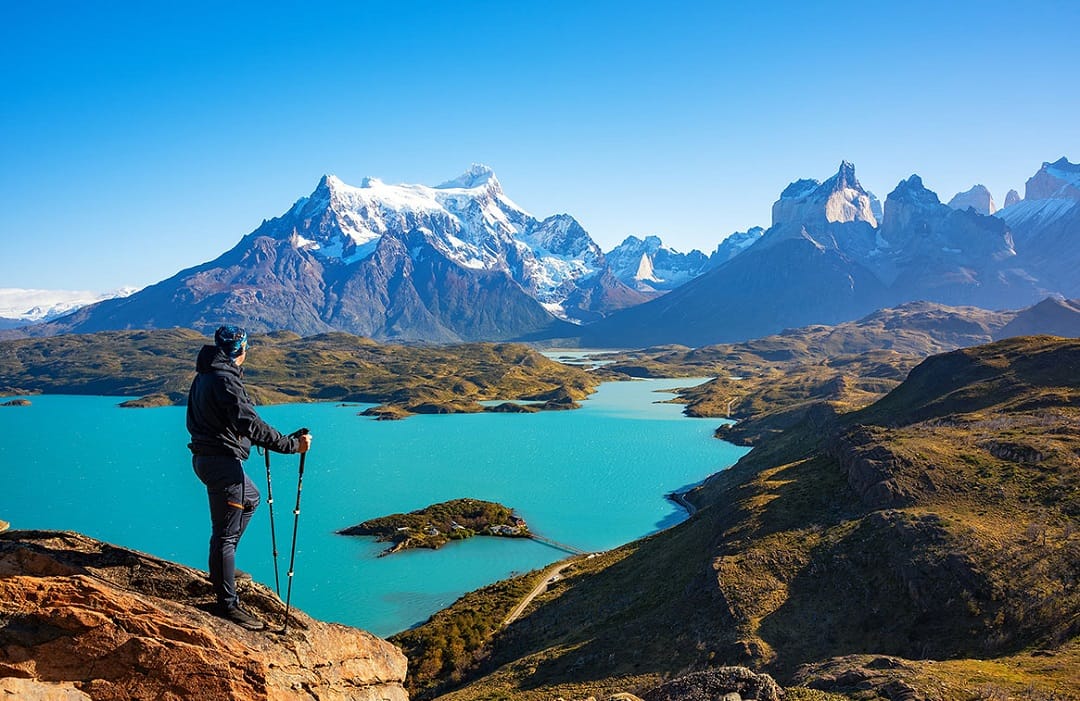
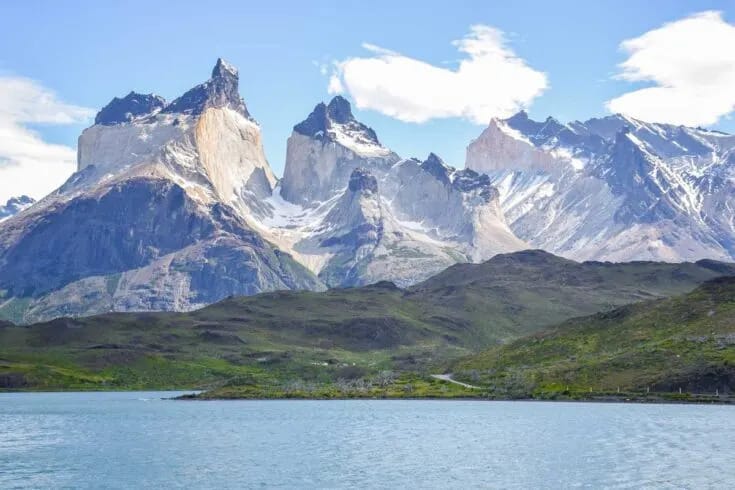
The Torres del Paine National Park trek in Chilean Patagonia is one of the most breathtaking adventures on Earth. Famous for its jagged granite towers, turquoise lakes, vast glaciers, and sweeping pampas, this UNESCO Biosphere Reserve is a paradise for trekkers and nature lovers alike. Whether you choose the classic W Trek or the more challenging O Circuit, every step through Torres del Paine reveals an unforgettable blend of wild beauty and rugged isolation.
The Torres del Paine trek offers an ever-changing landscape — from the iconic granite peaks of the Paine Massif to the electric-blue ice of Glacier Grey, and from the windswept plains filled with guanacos to lush beech forests echoing with bird calls. The region’s fierce winds and unpredictable weather only heighten the sense of adventure. This trek embodies the very spirit of Patagonia — raw, remote, and truly magnificent.
Starting from Puerto Natales, trekkers can access multiple routes within the park, but the W Trek (4–5 days, 75 km) is the most popular, tracing the shape of the letter “W” across the park’s three main valleys. Those seeking a deeper wilderness experience can attempt the O Circuit, a 7–9 day loop of about 130 km that circles the entire Paine Massif. Both routes highlight the park’s dramatic scenery — shimmering lakes like Pehoé and Nordenskjöld, cascading waterfalls, and the towering peaks that define Patagonia’s wild heart.
The best time to visit Torres del Paine National Park is from October to April, when trails are open and the weather is relatively mild. Accommodation options range from cozy refugios (mountain lodges) and campsites to luxury eco-domes. Regardless of comfort level, every visitor leaves humbled by the park’s grandeur.
Hike to the iconic viewpoint at the base of the Torres towers. A steep climb leads to the turquoise glacial lagoon beneath the granite spires — one of the most famous views in Patagonia.
Trek through rolling terrain with incredible views of Lago Nordenskjöld and the Cuernos del Paine peaks. Overnight at Cuernos or Francés camp.
Trek through rolling terrain with incredible views of Lago Nordenskjöld and the Cuernos del Paine peaks. Overnight at Cuernos or Francés camp.
Explore the French Valley, surrounded by glaciers and towering cliffs. Descend to Lake Pehoé and stay at Paine Grande.
Walk along the shores of Lago Grey toward the massive Glacier Grey. Watch icebergs drift by and feel the chill of the Patagonian ice field. Return or overnight at Grey Refuge.
Take the morning hike back to Paine Grande, then board the catamaran and bus back to Puerto Natales.
We’ve shared this information to make your travel planning a little easier. Some details can change with the season or the way you like to travel. If you’re unsure about anything, just reach out — we’ll happily share tips and advice that fit your plans perfectly.
The W Trek is about 75 km (47 miles), while the O Circuit covers about 130 km (81 miles).
From October to April (Patagonia’s summer), when the park is accessible and refugios are open.
Moderate to challenging — long days, strong winds, and steep climbs make it physically demanding.
Yes, independent trekking is allowed on the W Trek (if booked in advance). A guide is required for the O Circuit.
Yes, all campsites and refugios must be booked in advance, especially in high season.
The park’s trails range from 100 m (328 ft) to 900 m (2,950 ft) in elevation — no risk of altitude sickness.
No, camping is only allowed at designated campsites. Wild camping is prohibited.
Fly to Punta Arenas, then take a bus to Puerto Natales, the gateway to the park. From there, shuttles go to the trailheads.
{{ item.label }}
{{ item.value ? item.value : currencyFormat( item.amount ) }}
Subtotal
{{ currencyFormat( pricing_summary.total_amount ) }}
{{ item.label }}
{{ item.value ? item.value : currencyFormat( item.amount ) }}
Subtotal
{{ currencyFormat( pricing_summary.total_amount ) }}