 Plan my trek
Small-group treks and adventures, led by local guides who know the trail.
Small groups
Up to 15 travellers, so the pace suits you.
Local expert guides
Teams we work with directly on the ground.
Flexible planning
Dates and pace adjusted with minimal fuss.
Real replies
A person who knows your trip, within 24 hours.
Now open: Nepal
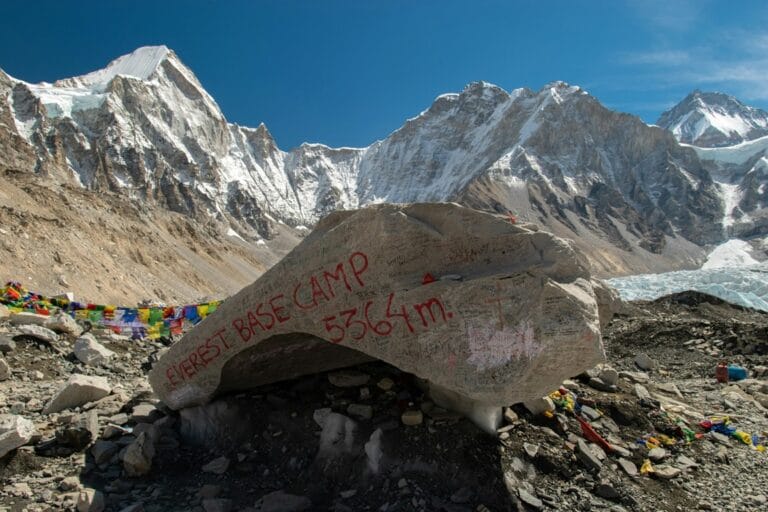 Best seller
Khumbu, Nepal
From
£1,295 per person
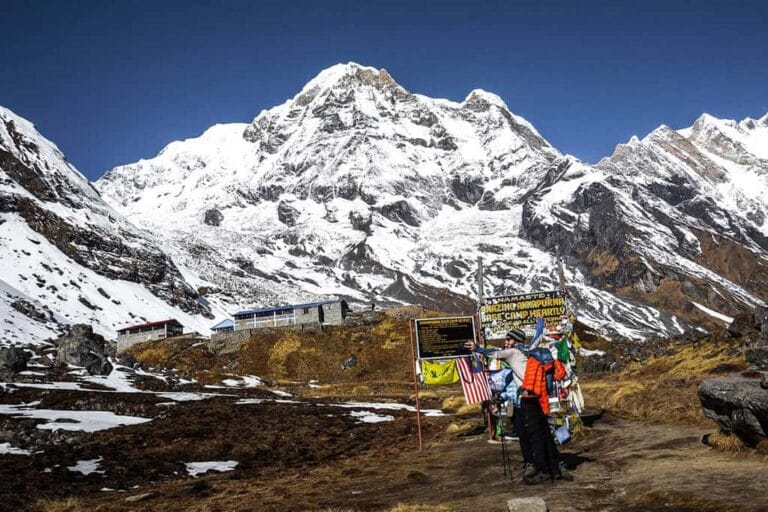 Lower altitude
Annapurna, Nepal
From
£795 per person
Tailor-made
Different dates, a private group or a route that isn't listed yet? Tell us and we'll plan it with you.
Plan a custom tripDestinations
Himalayan base camps, teahouses and Sherpa villages.
New adventures on other continents are on the way.
Dreaming of somewhere specific? Let us know.
Nepal destination guides
Nepal packs ancient cities, lake towns, jungle parks and high-desert kingdoms into a country you can cross in a day's drive. Our in-depth guides cover what to see, how to get there, when to go and what it costs, so you can build a trip that goes beyond the trailhead.
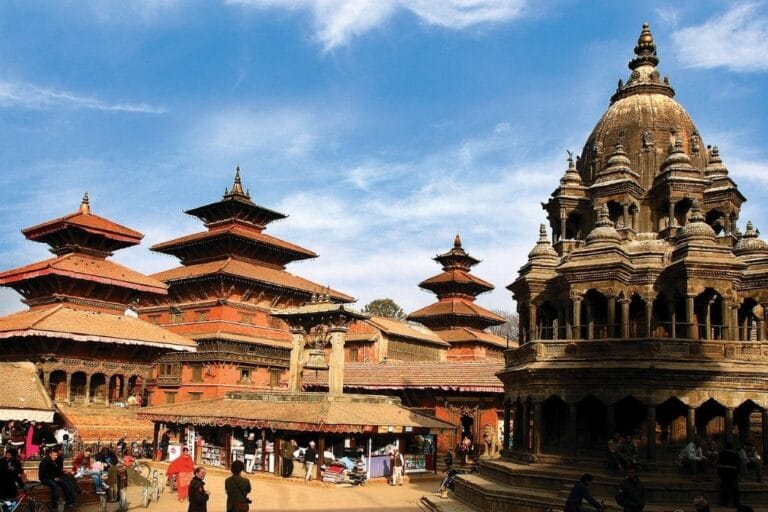
Culture and heritage
Seven UNESCO monument zones, Boudhanath and the Durbar Squares of Kathmandu, Patan and Bhaktapur.
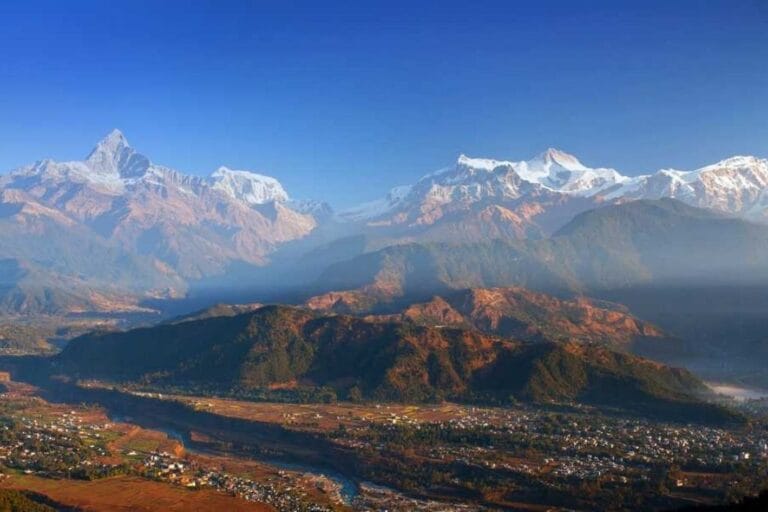
Treks and lake towns
Pokhara, Poon Hill, Annapurna Base Camp and the Annapurna Circuit, with Gurung villages like Ghandruk along the way.
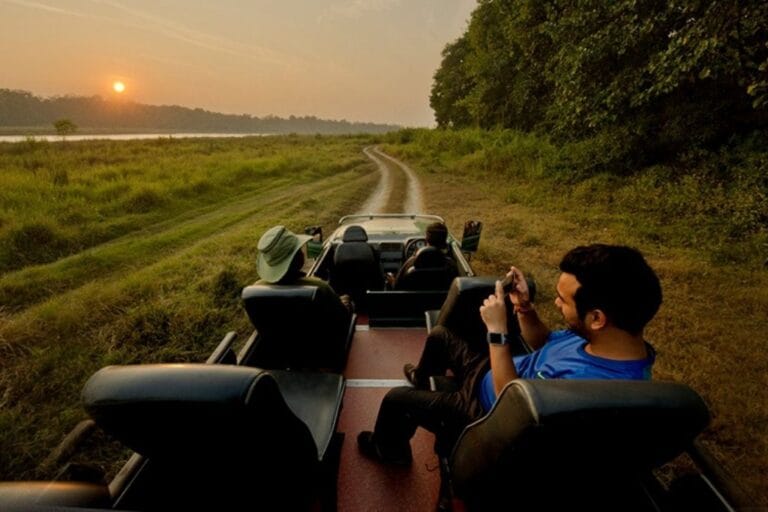
Wildlife
One-horned rhinos, jeep and canoe safaris, jungle walks and Tharu culture in the lowlands.
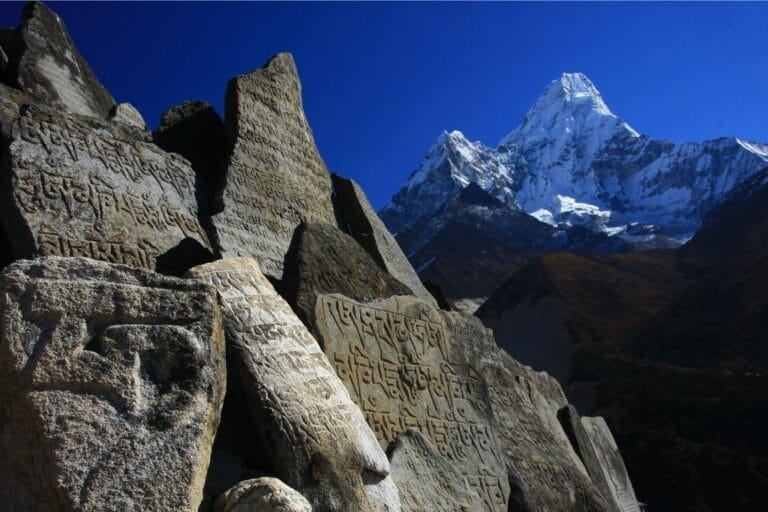
Sherpa country
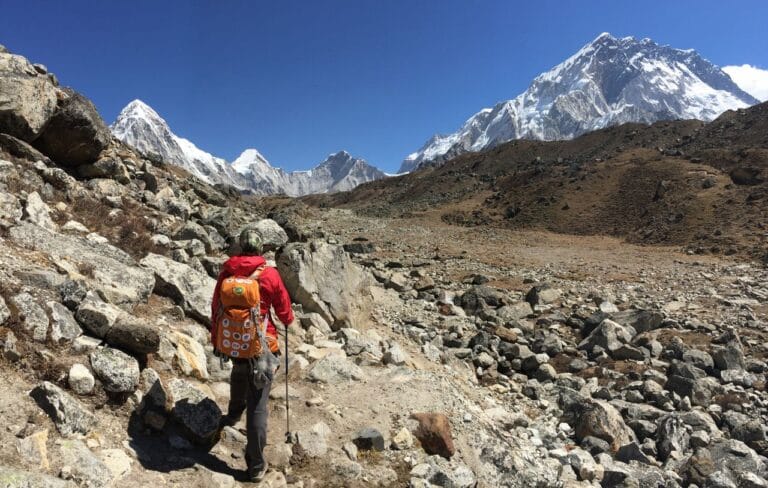
Lukla, Namche Bazaar, Tengboche Monastery and the trail to Everest Base Camp and Kala Patthar.
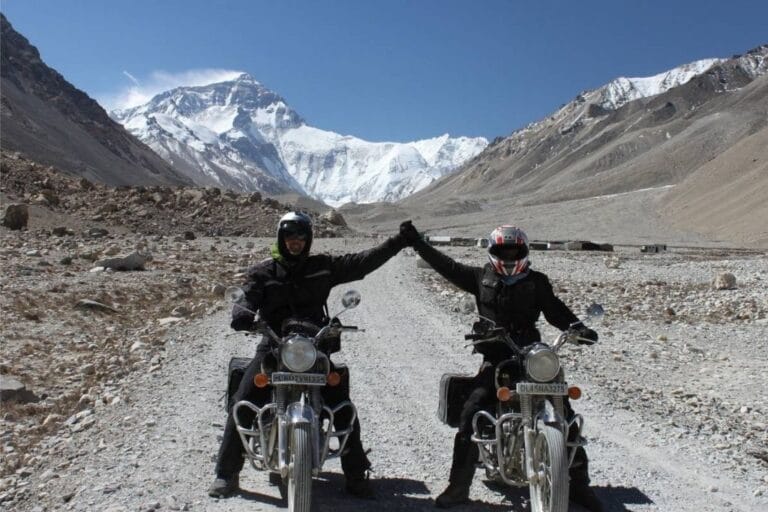
High desert
Muktinath, Kagbeni and the walled city of Lo Manthang in the rain shadow of the Himalaya.
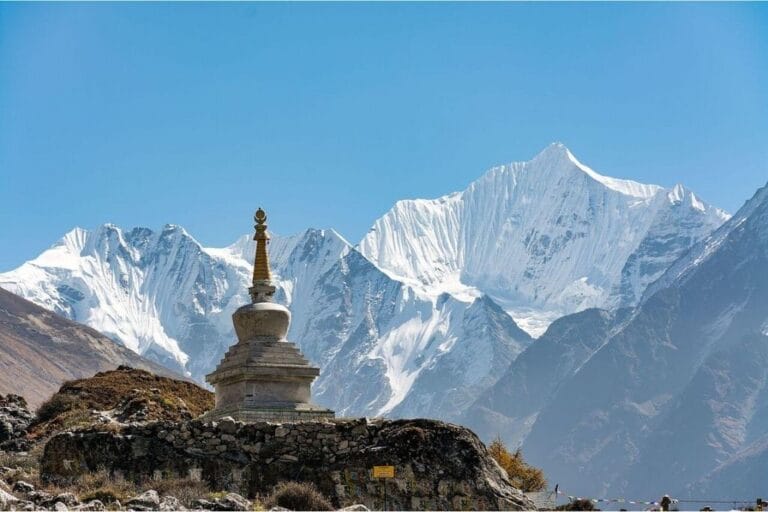
Trekking close to Kathmandu
Tamang villages, Kyanjin Gompa and the sacred lakes of Gosaikunda, a day's drive from the capital.
Trekking in Nepal
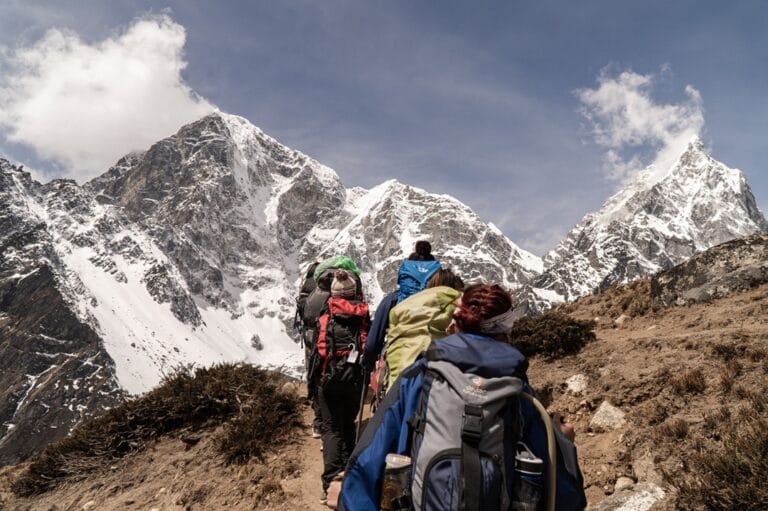
From a four-day sunrise hike above Pokhara to a high pass at more than 5,400 m, Nepal has a trek for almost every level of fitness and experience. Compare the classics below, then read our full guides for day-by-day routes, permits, costs and the best months to go.
16 days · Max 5,644 m · Challenging
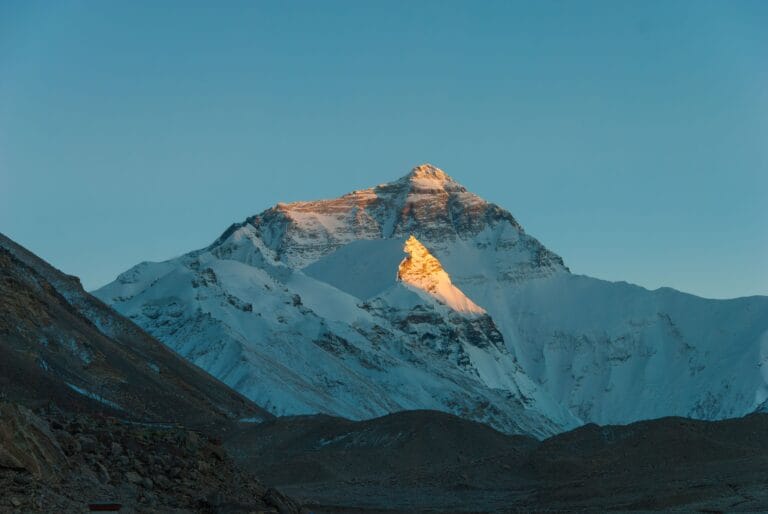
Fly to Lukla and walk through Sherpa villages and Namche Bazaar to the foot of the world's highest mountain, with sunrise from Kala Patthar.
View our trip →
15 days · Max 4,130 m · Challenging
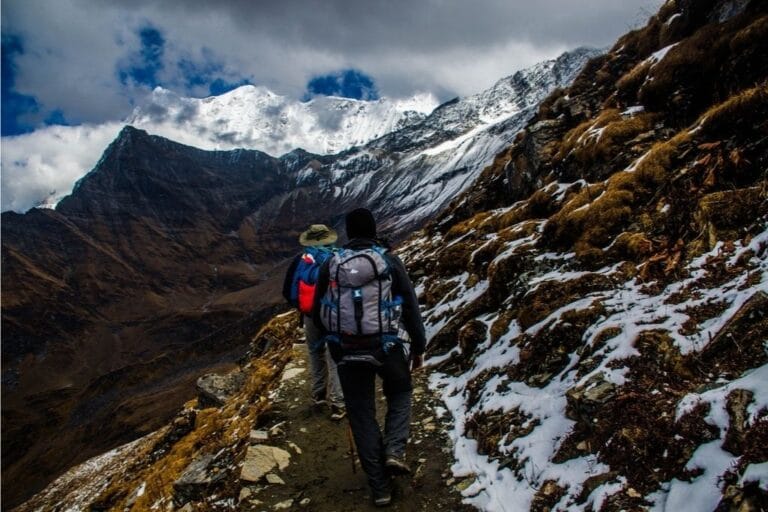
Climb from Gurung villages and rhododendron forest into the Annapurna Sanctuary, a glacier amphitheatre ringed by 7,000 and 8,000 m peaks.
View our trip →
12–18 days · Thorong La 5,416 m · Strenuous
Nepal's great loop: from green river valleys over the Thorong La to the arid Mustang side, with Manang, Muktinath and an optional Tilicho Lake detour.
Read the guide →
13–16 days · Larkya La 5,106 m · Strenuous
A quieter, wilder circuit around the world's eighth-highest mountain, through a restricted area that needs a special permit and a licensed guide.
Read the guide →
3–5 days · Poon Hill 3,210 m · Moderate
The best short trek in Nepal: stone steps, Gurung villages and a famous sunrise over Dhaulagiri and the Annapurnas, close to Pokhara.
Read the guide →
11–13 days · Gokyo Ri 5,357 m · Challenging
Turquoise glacial lakes, the Ngozumpa Glacier and one of the finest Everest panoramas, with the option to cross the Cho La to Base Camp.
Read the guide →
How it works
1
Send a short enquiry with your dates, group size and the trip you have in mind. No commitment.
2
Someone who knows the route replies personally and adjusts the itinerary to suit your pace.
3
Book your own flights. From the moment you land, you're with local teams we work with directly.
Before you go
The questions that shape every Nepal trip, answered briefly. Each one links to a full guide when you want the detail.
October and November bring the clearest skies and are peak trekking season. March to May is the second season: warmer, with rhododendrons in bloom but hazier views. December to February suits lower treks and city travel, while June to September is the monsoon, with rain, leeches and flight delays. Best season to travel in Nepal →
Most nationalities, including UK citizens, can get a tourist visa on arrival at Kathmandu airport or apply online beforehand. Fees have long been US$30 for 15 days, US$50 for 30 days and US$125 for 90 days, but check the Department of Immigration before you fly. Your passport needs at least six months' validity. Things to know before you go →
Treks need national park or conservation area permits, and since April 2023 foreign trekkers in most protected areas must walk with a licensed guide. Restricted areas such as Upper Mustang and Manaslu need special permits arranged through a registered agency. On our trips, permits are handled for you. Trekking permits explained →
You don't need to be an athlete, but you should be comfortable walking five to seven hours a day, several days in a row, on steep and uneven ground. Above about 3,500 m, altitude is the real challenge, so itineraries with acclimatisation days matter more than speed. How to train for a trek →
Nepal is good value once you land. Our land-only treks start from £795 per person, and teahouse rooms and meals on the trail are inexpensive. The biggest variables are international flights, domestic flights such as Lukla, and how much comfort you want in Kathmandu and Pokhara. See a full cost breakdown →
Nepal is generally safe for visitors, but check the UK FCDO travel advice before you go: protests can start at short notice, and the 2026 monsoon caused floods and landslides in parts of the country. Travel insurance that covers your trekking altitude and helicopter evacuation is essential. Travel insurance for trekking →
Plan with confidence
Good to know
Can't see yours? Send us a message and a real person will reply.
Are international flights included?
No. Our packages are land-only, so you book your own flights to your destination and can use the airline, airport and airmiles that suit you. Each trip page lists exactly what's included once you land.
How fit do I need to be?
It depends on the trip. For multi-day treks you should be comfortable walking several hours a day, several days in a row. Each trip page shows its difficulty, and our training plan explains how to prepare.
Do I need travel insurance?
Yes. Your policy needs to cover the activities on your trip, including high-altitude trekking and emergency evacuation where relevant. Our insurance guide covers what to check.
Can the itinerary be changed?
Usually, yes. Tell us in your enquiry if you'd like extra rest days, different dates or a slower pace, and we'll work it out with you.
Is Nepal safe to visit right now?
Nepal is generally safe for visitors, and tourism has continued since the September 2025 unrest, with a peaceful general election held in March 2026. Protests can still start at short notice, and the 2026 monsoon caused floods and landslides in parts of central Nepal, so check the UK FCDO travel advice before you travel.
When is the best time to trek in Nepal?
October and November give the clearest mountain views and the most settled weather. March to May is the second season, warmer and with rhododendrons in bloom, though views can be hazier. Winter suits lower-altitude treks, and the June to September monsoon is best avoided for most routes.
Do I need a guide to trek in Nepal?
In most cases, yes. Since April 2023, foreign trekkers in Nepal's national parks and conservation areas must trek with a licensed guide, and restricted areas such as Manaslu and Upper Mustang have long required one. Enforcement varies by region, but every trip we run is led by licensed local guides.
Will you offer trips outside Nepal?
Yes. We're starting with Nepal and adding new adventures on other continents. Tell us where you'd like to go next and we'll let you know when it opens.
Tell us where you'd like to go. We'll come back to you personally.