 Plan my trek
About Get Lost Forever
Get Lost Forever started from a simple idea: travelling should be exciting, personal and meaningful. But the planning can wear you out before the trip even begins.
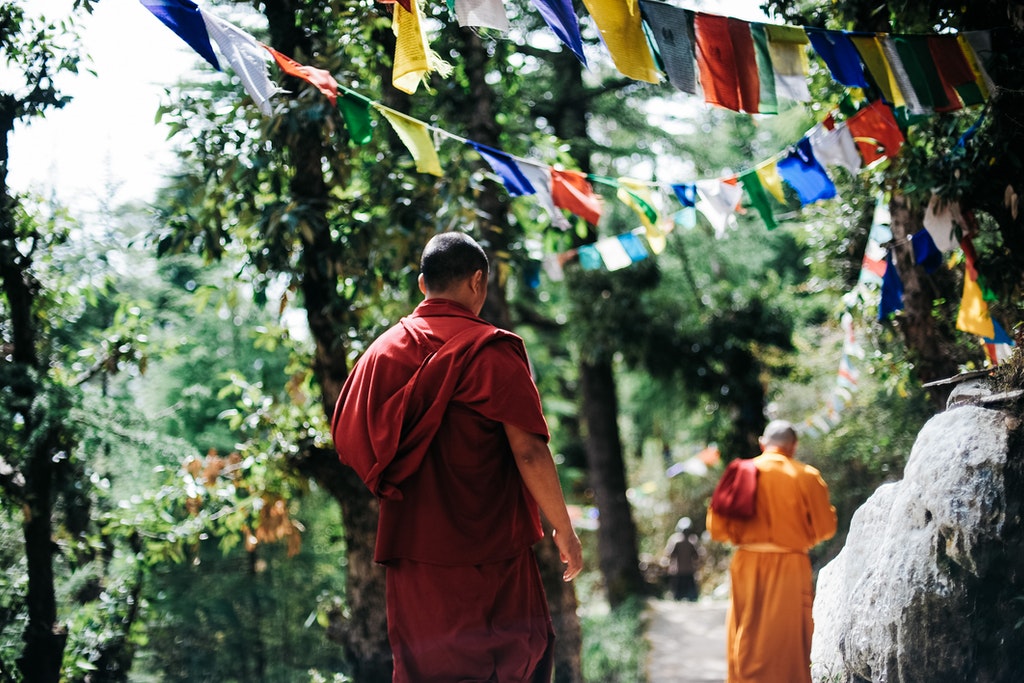
From the founder
I'm Govind Rai, the founder of Get Lost Forever. I grew up in Solukhumbu, the district in eastern Nepal that is home to Mount Everest, and now live in London. Growing up there, I always felt the country was much more than how it was normally shown to the outside world.
Most people hear Nepal and immediately think of Mount Everest. Everest is a big part of Nepal and something the country is proud of. But Nepal is also its people, food, cities, villages, festivals and landscapes, and the small everyday experiences most travellers only discover after they arrive.
I wanted to create a website that helps travellers understand those things before they visit.
“The goal is not only to tell you where to go. It is to help you understand what to expect when you get there.”
Why I started
There are hundreds of blogs, booking sites, social posts and tour companies telling you where to go. The more you search, the more confusing it gets. One website says one thing, another says something completely different.
01
Advice that no longer matches what you'll find on the ground.
02
Little more than a list of attractions, with nothing about what the experience is actually like.
03
Built mainly to get you to click a booking link before properly explaining anything.
What we help with
Where to go, what it costs and what to do all matter. But travellers need more than that. A road under construction or weather that changes suddenly isn't exciting to read about, until you're on the road.
What the journey is really like
How difficult an activity might be
Mistakes other travellers commonly make
How much money to realistically carry
Whether a place suits your interests and ability
What transport is actually available
What you should pack
How to respect local people and culture
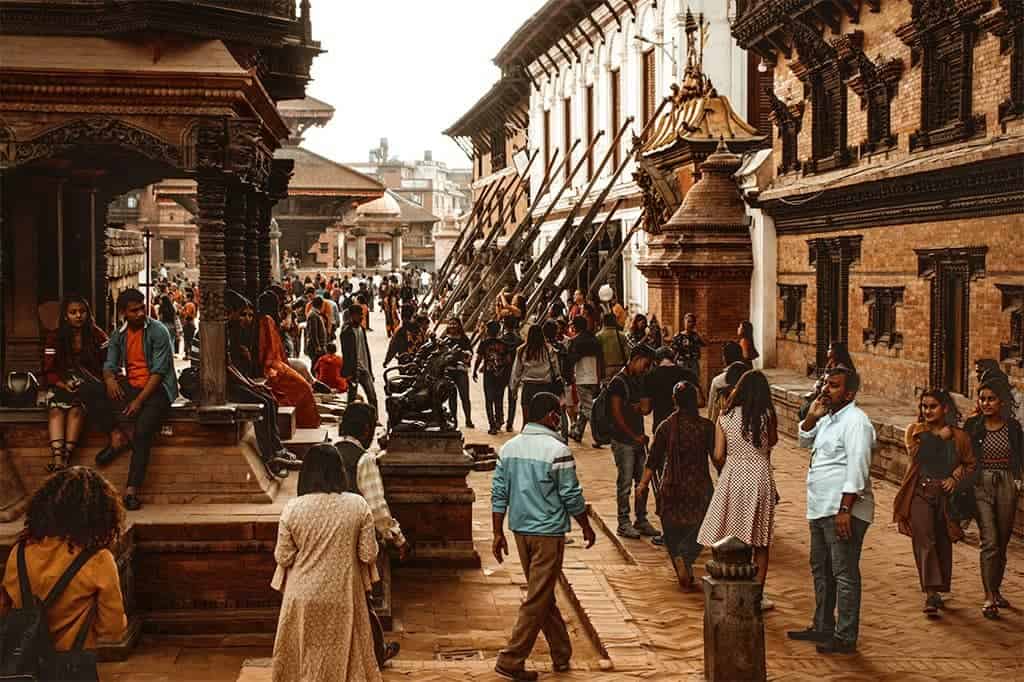
Starting with Nepal
Nepal is our first major destination because I have a personal connection with it. I also know it can be confusing for first-time visitors. Many arrive knowing about Everest Base Camp, Kathmandu or Pokhara, but not much else.
How hard is the trek? Do you need a guide? How much should you budget? What happens if the weather turns? These questions should be answered properly before anyone books a flight. The roads can be rough and plans can change, but that's part of the experience. What matters is arriving prepared.
Our approach
We explain the good and the bad, rather than making every place sound perfect.
A difficult trek can be amazing for one person and a nightmare for another. We say who an experience suits.
Guides you can rely on before, during and after your trip, from budgets to safety to culture.
We won't decide for you. We'll give you enough information to make the right decision yourself.
Transparency
Some links on the site may be affiliate links. If you book a hotel, tour or activity through one, we may receive a small commission. You won't pay anything extra, and it helps us keep creating travel content.
But commercial relationships don't decide what you read. If there's a problem with an experience, we'll mention it. If it isn't suitable for beginners, we'll say so. And if there's a better option, you should know about it. Once readers stop trusting the information, that's when the problems begin.
Tell us where you'd like to go and a real person will get back to you.