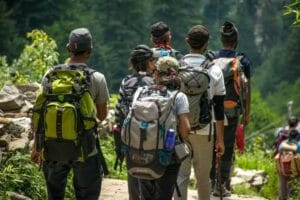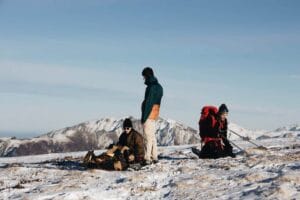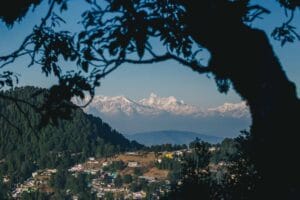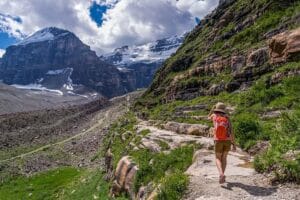
Walk beyond the usual tourist routes and experience some of the world’s most remarkable landscapes on foot. Explore trekking adventures across mountains, valleys, forests and remote communities, with options for different experience levels, interests and travel styles.
Trekking is a multi-day trip on foot often to remote areas. It requires more preparation because of several consecutive days of walking. While hiking is more commonly associated with shorter walks often completed in a day. However it is often used interchangeably.
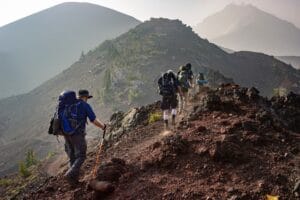
Nothing beats trekking when it comes to experiencing raw, untamed nature. It takes you beyond paved roads to places reachable only on foot. You get to see the ancient mountain villages, breathtaking landscapes, and unforgettable viewpoints that most travelers never get to see.
Only trekking allows you to journey into wilderness, high-altitude passes, and secluded valleys that remain hidden and untouched.
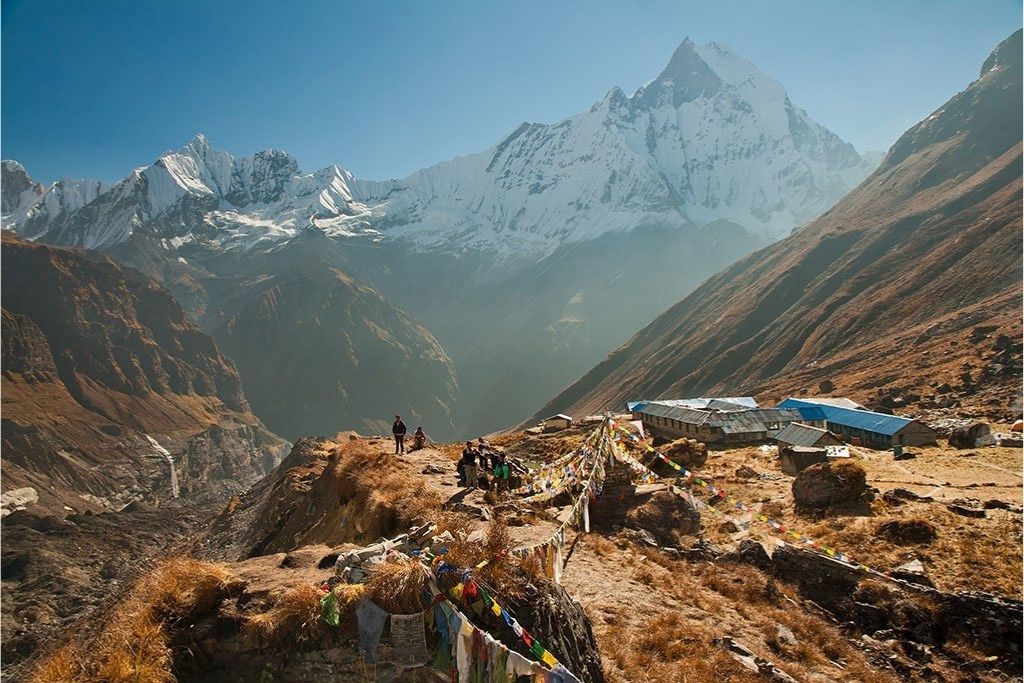
Pass through remote mountain villages where ancient traditions thrive and connect with local. From Himalayan teahouses to Alpine refugees.
Step away from screens and onto the trail lowers cortisol levels, clears mental fatigue, and reduces stress. Walking in nature is a natural reset.
It is a low-impact workout that engages your entire body. Moving across varied terrain builds cardiovascular endurance, leg strength, and core stability.
Nothing comes close to the rewarding sense of accomplishment when you reach a high summit, glacier lake, or iconic viewpoint.
Walking is the cleanest, most environmentally responsible way to explore leaving a minimal carbon footprint and supporting local families.
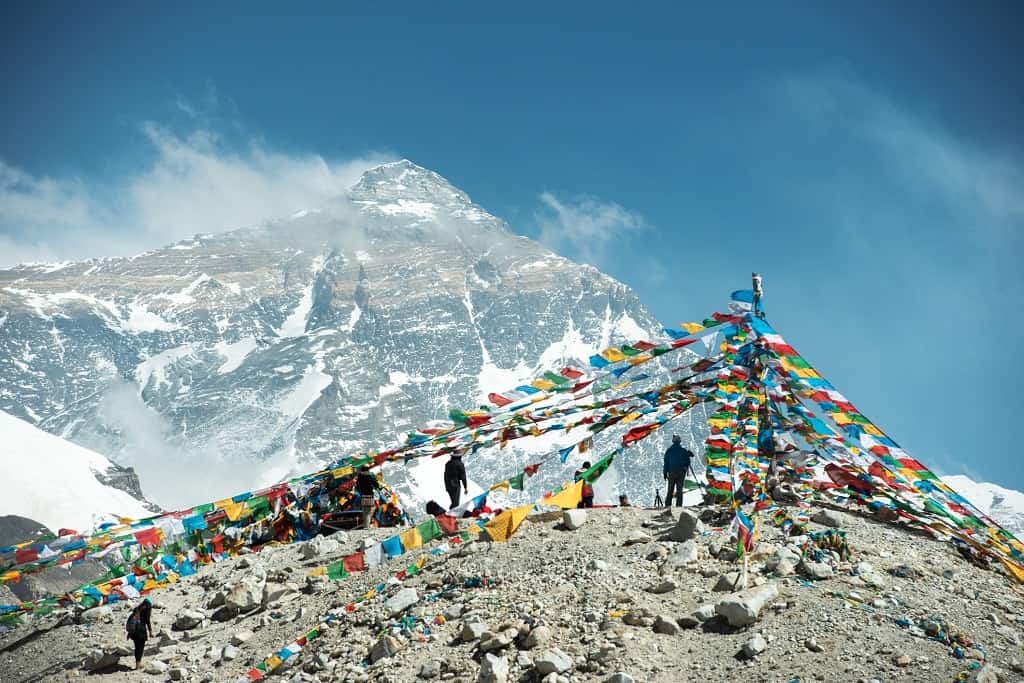
Nepal is a beautiful country. The country is home to ten of the highest mountains in the world putting it right at the top list for trekking enthusiasts.
Find quick answers to the commonly asked questions about trekking
Yes. Many trekking routes are suitable for beginners, provided the daily walking hours, terrain and altitude are manageable. First-time trekkers should begin with a realistic itinerary rather than choosing a route only because it is short or popular.
Read our trekking guide for beginners for practical advice on choosing and preparing for your first trek.
Consider the destination, duration, daily walking hours, terrain, elevation gain, maximum altitude and accommodation. A shorter trek is not necessarily easier, as steep climbs or high altitude can make a short route physically demanding.
Use the Find Your Trek filters above to compare trips by destination, duration and difficulty.
The required fitness level depends on the route. Easier treks may only require a reasonable level of general fitness, while longer or higher-altitude routes demand greater stamina and preparation.
Regular walking, hills, stairs and carrying a light backpack can help prepare your body. Read our guide on how to get in shape for trekking.
Hiking and trekking are closely related, and the terms are sometimes used interchangeably. Hiking usually refers to a shorter walk, often completed within a day on established trails. Trekking generally involves a longer journey, more preparation and several consecutive days of walking, often through mountainous or remote terrain.
However, there is no universal definition, and a route described as a hike by one operator may be called a trek by another.
Read our full guide to the difference between hiking and trekking
Inclusions vary between trips and operators. A trekking package may include local guides, accommodation, permits, transfers, selected meals and group equipment.
Flights, travel insurance, personal equipment, visas, tips and some meals may not be included. Always check the individual trip page before booking.
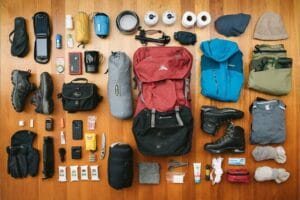
What you need depends on the destination, season, altitude and accommodation. Common essentials include suitable footwear, weather-appropriate clothing, rain protection, sun protection, water, basic first aid and personal medication.
For a broader checklist, see our guide to essential items for trekking.
You may also find our guide on how to choose trekking shoes useful.
This depends on the destination, route, local regulations and your experience. Some areas require travellers to use a licensed guide or obtain permits through an authorised operator.
Even where independent trekking is permitted, a guide can help with navigation, accommodation, local conditions and emergencies.
Trekking can be safe when the route suits your experience and you prepare properly. Weather, altitude, dehydration, difficult terrain and remote locations can all increase the risk.
Choose a realistic itinerary, carry suitable equipment and follow local advice. Read our trekking safety tips for further guidance.
For high-altitude routes, also read our guide to altitude sickness and how to reduce the risk
Travel insurance is strongly recommended for trekking trips. Check that the policy covers trekking as an activity, the maximum altitude of your route, emergency medical treatment, evacuation and repatriation.
Standard travel insurance may exclude high-altitude trekking or mountain rescue, so always read the policy conditions carefully.
Read our guide: Do I Need Travel Insurance for Trekking?