{{ item.label }}
{{ item.value ? item.value : currencyFormat( item.amount ) }}
Subtotal
{{ currencyFormat( pricing_summary.total_amount ) }}
The Mount Kilimanjaro Trek is one of the most iconic adventures any hiker can experience, offering a rare opportunity to walk from lush rainforest to the world-famous Uhuru Peak at 5,895 meters — the highest point in Africa. As the tallest free-standing mountain on Earth, Kilimanjaro is a dream destination for trekkers who want a dramatic, diverse, and deeply rewarding journey. What makes the Mount Kilimanjaro Trek truly unique is that it requires no technical mountaineering skills, yet delivers the accomplishment of standing atop an extraordinary natural wonder.
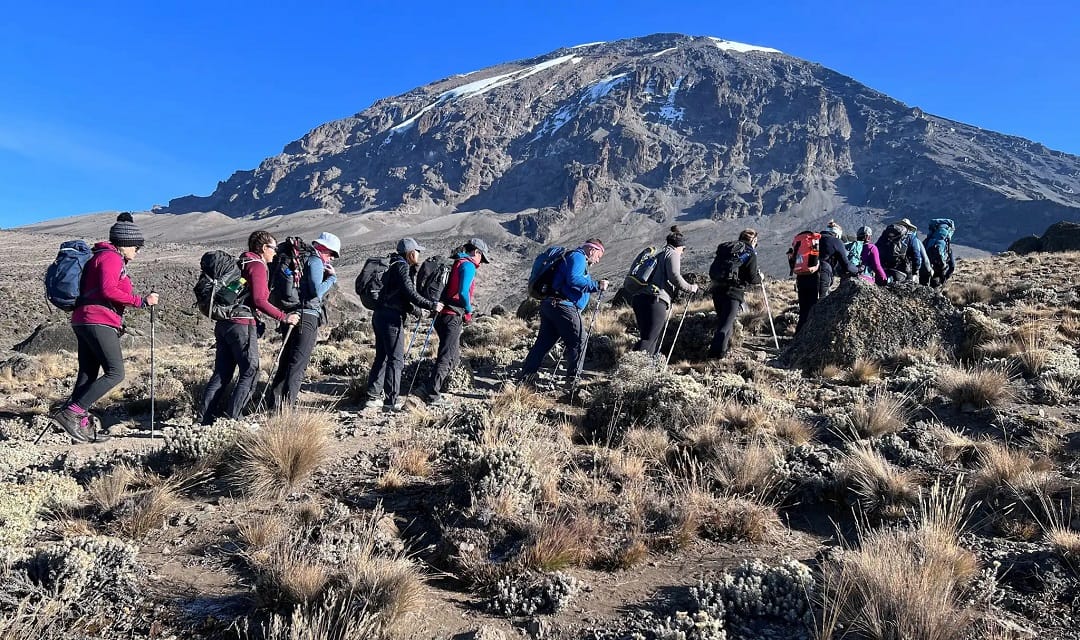
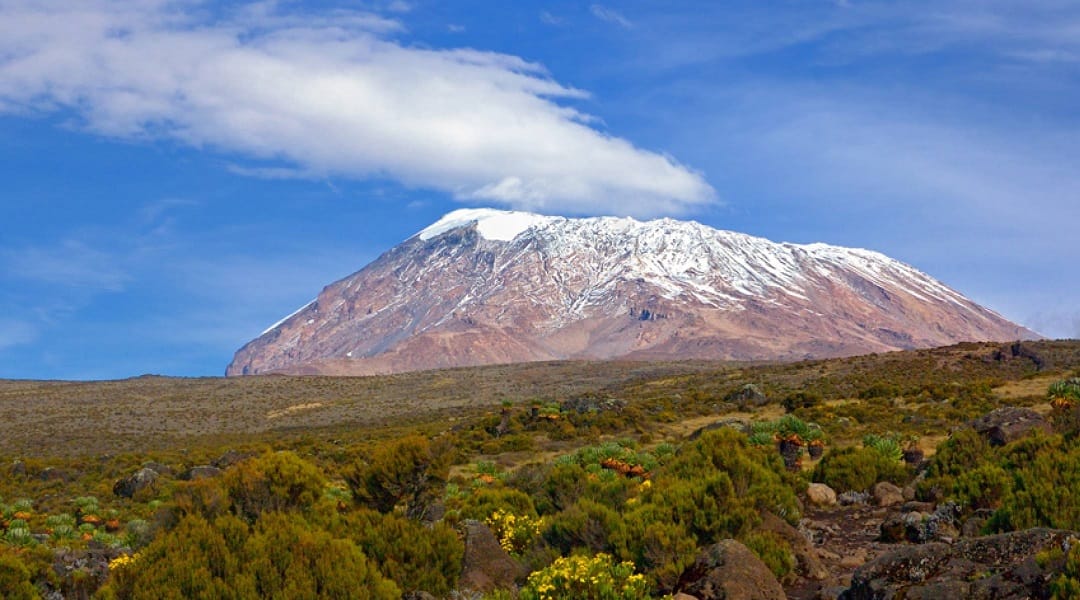
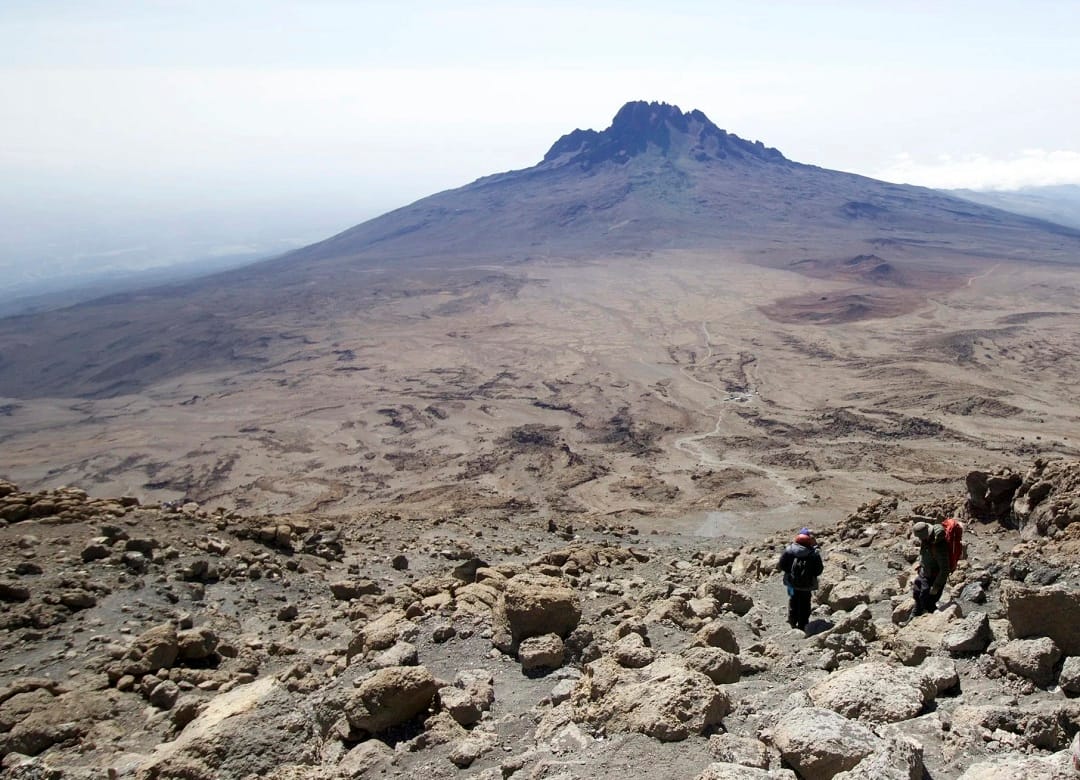
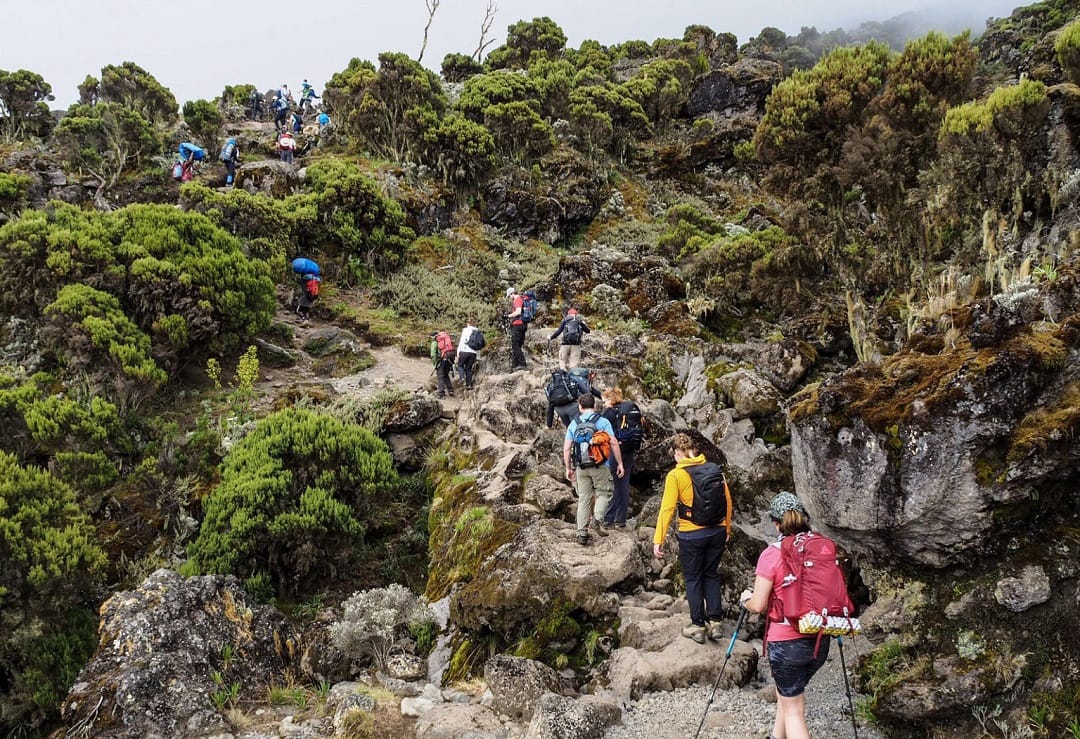
Unlike other major summits that demand ropes and ice axes, the Mount Kilimanjaro Trek is a well-defined hiking challenge accessible to determined beginners and seasoned trekkers alike. The mountain features several routes — including Machame, Lemosho, Marangu, Rongai, and the Northern Circuit — each offering different landscapes, durations, and difficulty levels. The most popular paths weave through dense rainforest, heather meadows, volcanic deserts, and eventually the dramatic snow-capped summit. Every day of the Mount Kilimanjaro Trek feels like entering a new world, as trekkers cross multiple ecological zones shaped by ancient lava flows and shifting climates.
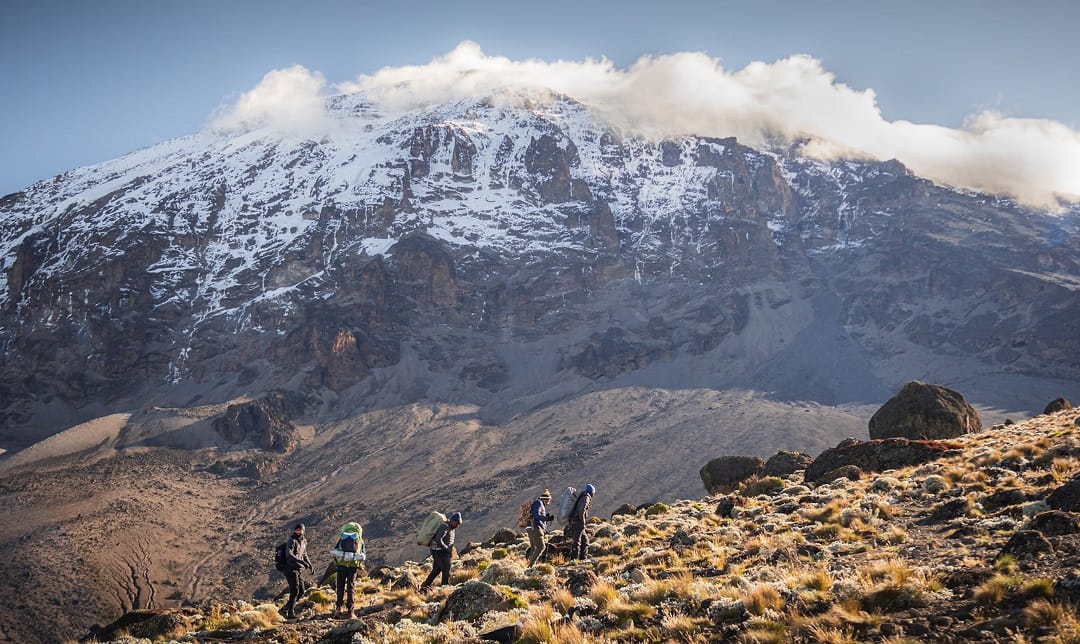
One of the greatest rewards of the Mount Kilimanjaro Trek is witnessing the mountain’s dramatic contrasts. The lower rainforest hums with monkeys and exotic birds; the Shira Plateau opens into wide, golden alpine plains; the Barranco Wall offers an exciting scramble with breathtaking views; and the Arctic-like summit zone surrounds you with glaciers and windswept ice formations. Although the trek is non-technical, altitude adds real challenge — which is why longer routes such as Lemosho and the Northern Circuit offer the best acclimatization and higher success rates.
Beyond the physical journey, the Mount Kilimanjaro Trek is a cultural experience shaped by the warmth and hospitality of local Tanzanian guides and porters. Their expertise, songs, and encouragement bring life to the mountain and support trekkers every step of the way. Camping beneath a sky full of stars, sharing stories at dinner tents, and waking early for the final push to Uhuru Peak create unforgettable memories. Reaching the summit at sunrise, with the sky glowing over Africa, is the ultimate reward — a moment that stays with you forever.
For more details, the Mount Kilimanjaro Trek stands out as a bucket-list adventure offering challenge, beauty, and emotional depth. Whether you choose the Machame Route for its dramatic scenery or the Lemosho Route for its peaceful landscapes and high success rate, Kilimanjaro promises a life-changing journey like no other. Let this iconic trek be your next big step into the world of high-altitude exploration.
Trek through lush rainforest filled with monkeys & exotic birds.
Elevation: 1,800m → 3,000m.
Enter moorland zone with expansive views of the Shira Plateau.
Elevation: 3,000m → 3,840m.
Acclimatization day with a climb up to Lava Tower (4,630m).
Descend to Barranco Camp at 3,950m.
Climb the famous Barranco Wall — challenging but fun.
Continue through ridges and valleys to Karanga Camp.
Enter the alpine desert zone.
Prepare for summit night.
Elevation: 4,673m.
Midnight start for the ascent.
Reach Uhuru Peak (5,895m) at sunrise — Africa’s roof.
Descend to Mweka Camp (3,100m).
Final walk through the rainforest.
Celebrate with your certificate at the exit gate.
We’ve shared this information to make your travel planning a little easier. Some details can change with the season or the way you like to travel. If you’re unsure about anything, just reach out — we’ll happily share tips and advice that fit your plans perfectly.
Moderately difficult. No technical climbing is required, but altitude makes it challenging.
Between 6–9 days, depending on the route.
The Lemosho Route for acclimatization, or Machame Route for scenery & success rate.
Yes. Kilimanjaro cannot be trekked independently.
January–March & July–October offer the best weather.
Summit night can drop to -10°C to -20°C.
{{ item.label }}
{{ item.value ? item.value : currencyFormat( item.amount ) }}
Subtotal
{{ currencyFormat( pricing_summary.total_amount ) }}
{{ item.label }}
{{ item.value ? item.value : currencyFormat( item.amount ) }}
Subtotal
{{ currencyFormat( pricing_summary.total_amount ) }}