{{ item.label }}
{{ item.value ? item.value : currencyFormat( item.amount ) }}
Subtotal
{{ currencyFormat( pricing_summary.total_amount ) }}
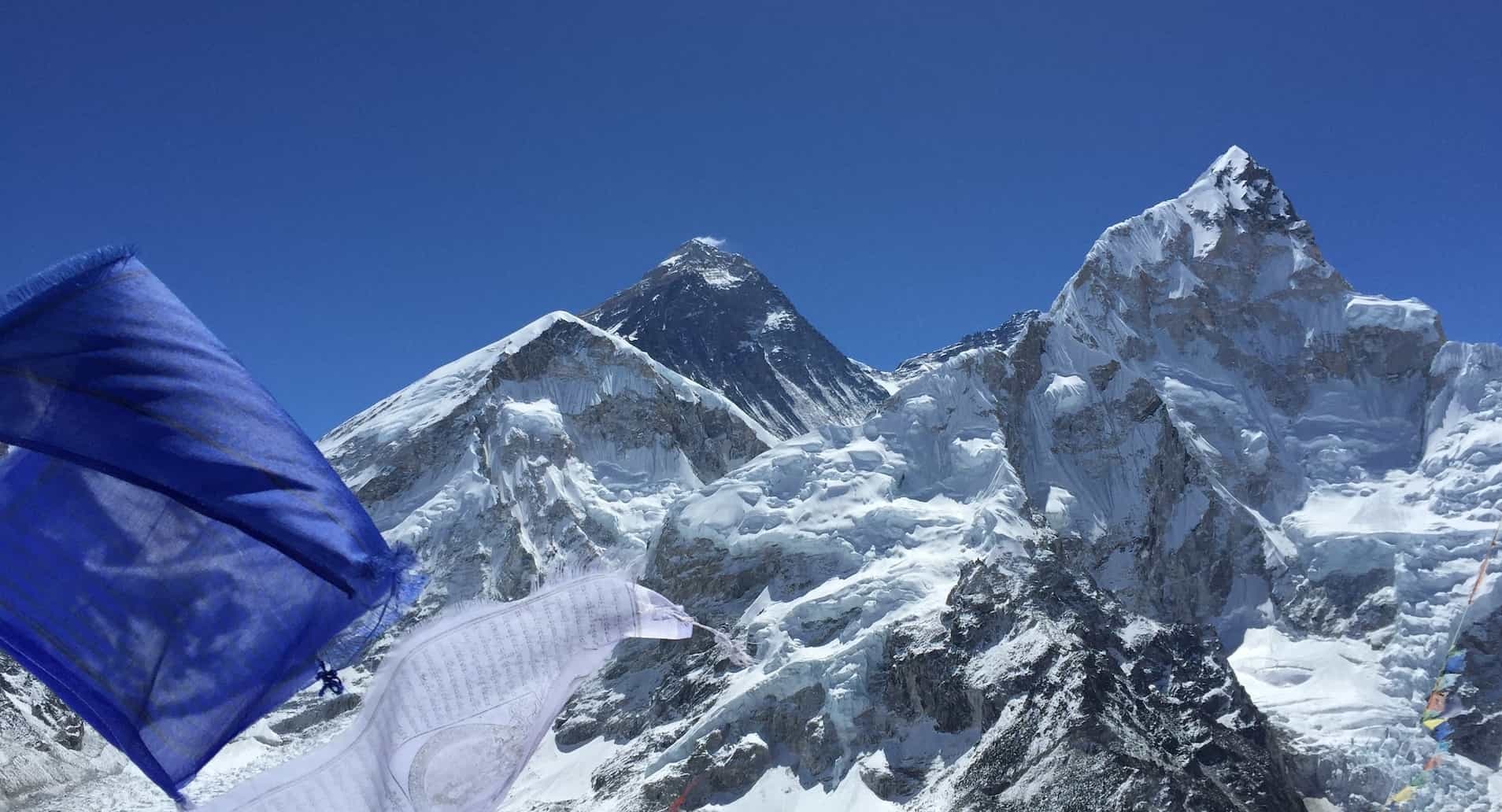
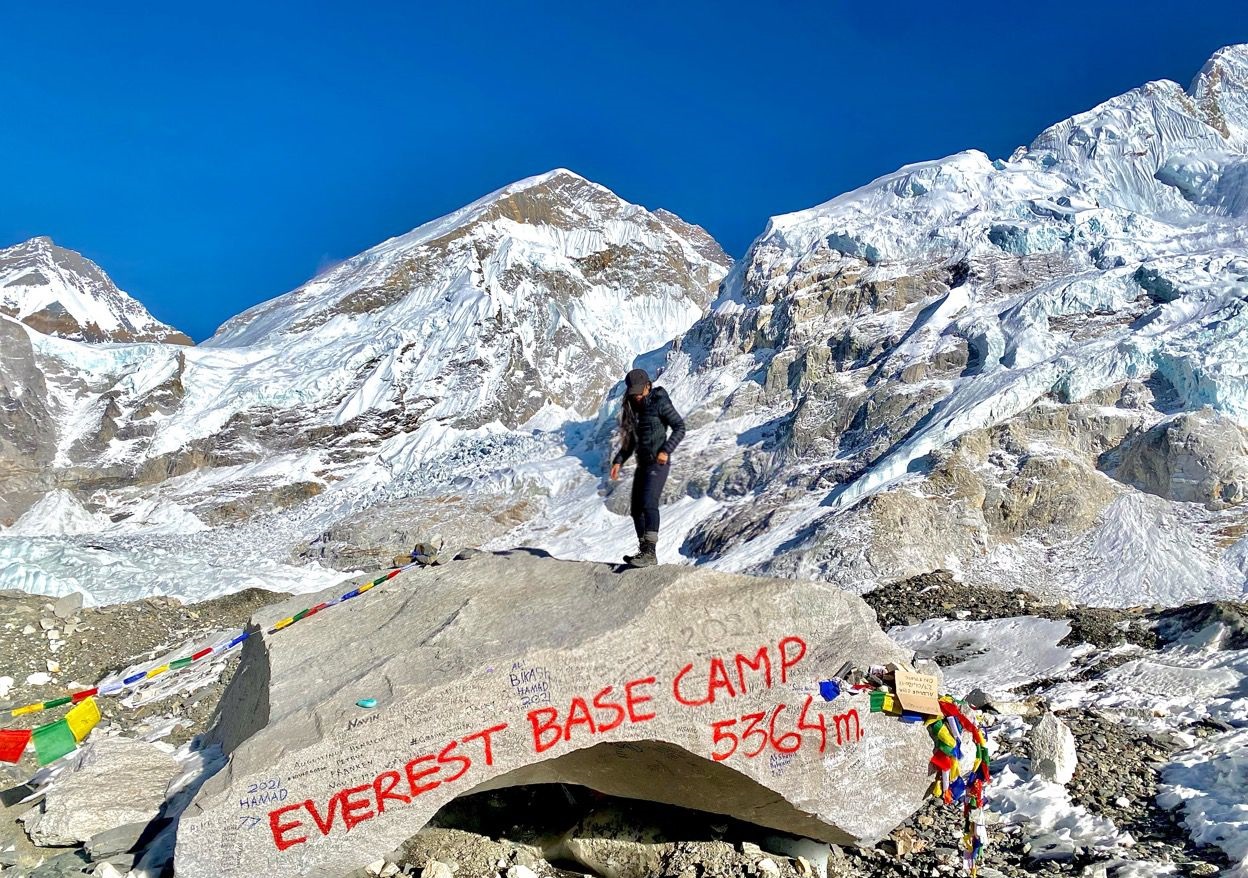
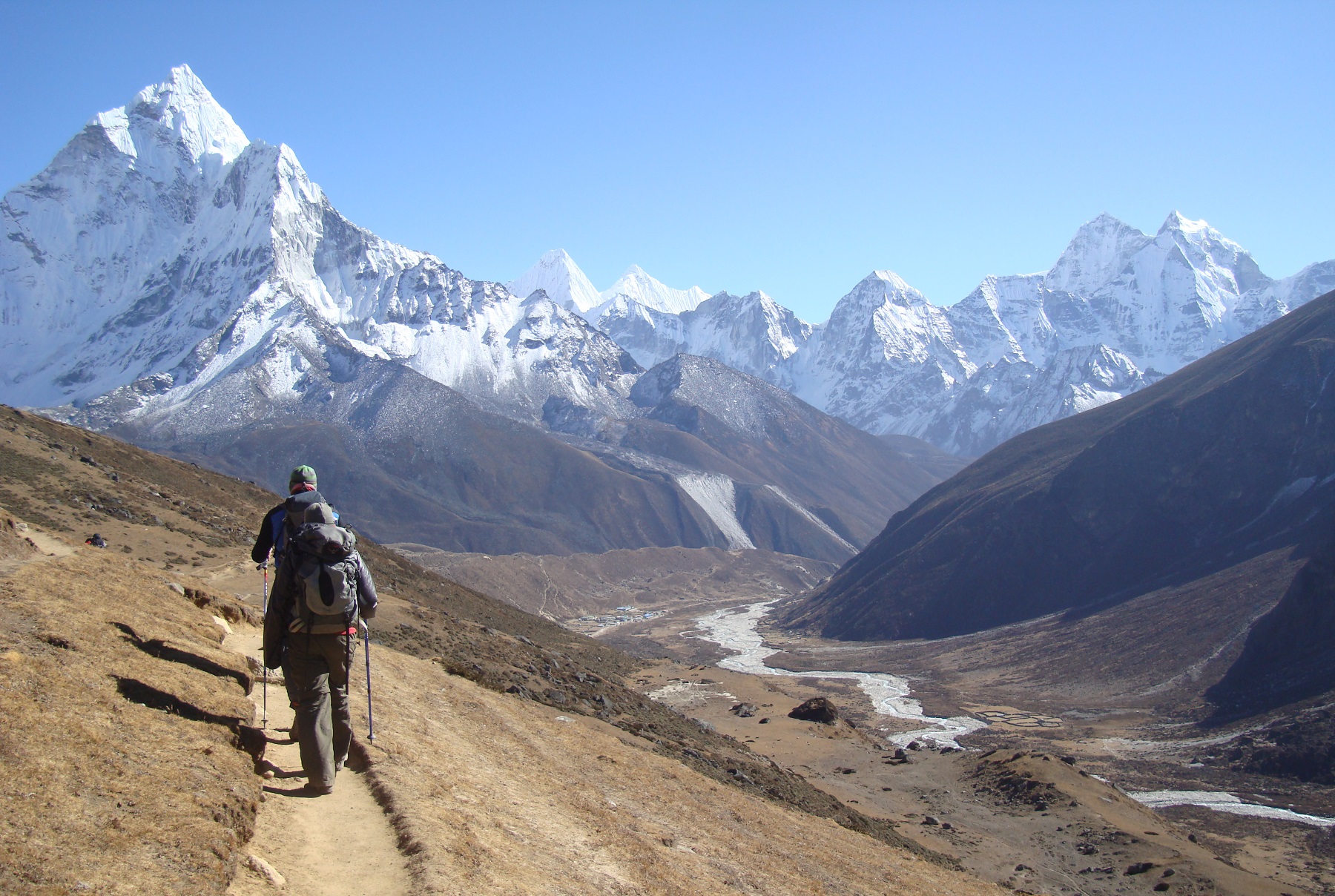
The Everest Base Camp trek is more than just a hike — it’s a journey into the heart of the Himalayas, where adventure meets serenity and every step tells a story. At GetLostForever.com, we invite you to experience the thrill of walking in the footsteps of legendary climbers who’ve gazed up at Mount Everest from its base. Nestled at an altitude of 5,364 meters (17,598 feet), Everest Base Camp offers breathtaking views of the world’s highest peaks, including Everest, Lhotse, and Ama Dablam.
Your adventure to Everest Base Camp winds through vibrant Sherpa villages, ancient monasteries, and landscapes that shift from lush forests to rocky alpine trails. Along the way, you’ll experience the warm hospitality of the local people, savor hearty mountain meals, and immerse yourself in Nepal’s rich mountain culture. The trek challenges your body and uplifts your spirit — a perfect blend of endurance, discovery, and awe.
At GetLostForever.com, we provide everything you need to plan your Everest Base Camp experience — from route details and gear checklists to expert tips on acclimatization and responsible trekking. Whether it’s your first high-altitude trek or the next big adventure on your travel list, the Everest Base Camp journey promises memories that last a lifetime.
For more details, explore our complete guide on the Everest Base Camp trek, including itineraries, preparation tips, and insights from trekkers who have stood proudly at the base of the world’s tallest mountain.
Welcome to Nepal! Settle into your hotel, explore Thamel, and attend a pre-trek briefing.
Begin your adventure with a thrilling flight to Lukla and an easy hike to Phakding.
Hiking time: 3–4 hours
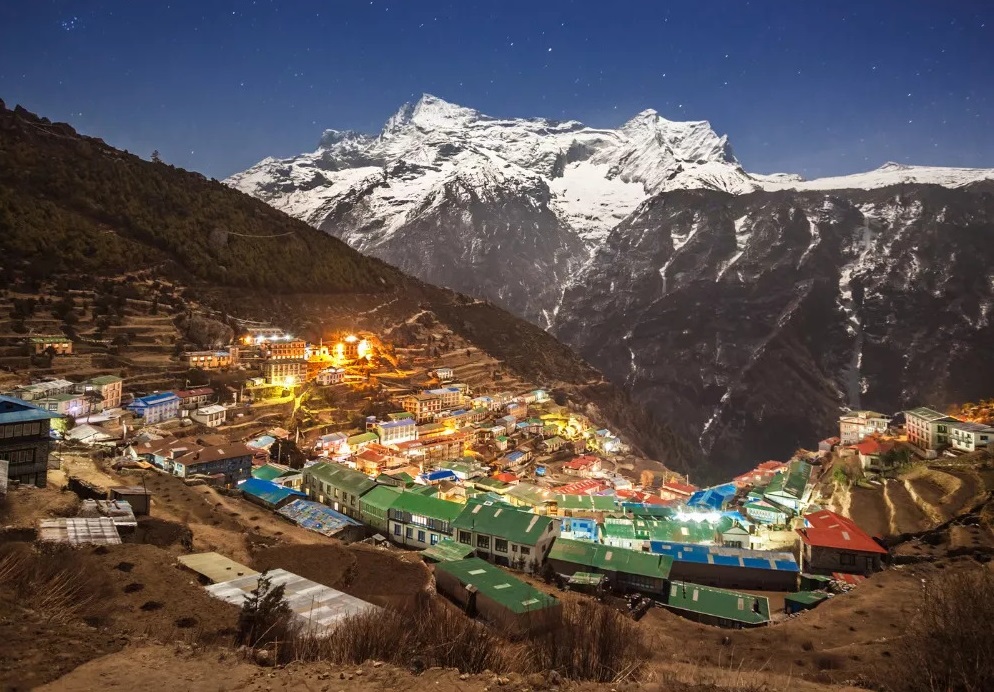
Cross suspension bridges and climb through pine forests to reach bustling Namche Bazaar.
Hiking time: 5–6 hours
Explore the town, visit the Sherpa Museum, and enjoy views from the Everest View Hotel.
Trek through rhododendron forests to Tengboche, home to the famous monastery.
Hiking time: 5 hours
Descend to the Imja River and climb gradually to Dingboche’s scenic valley.
Hiking time: 5–6 hours
Hike to Nangkartsang Peak (5,083m) for panoramic views of Makalu and Ama Dablam.
Trek past memorials dedicated to Everest climbers before reaching Lobuche.
Hiking time: 5–6 hours
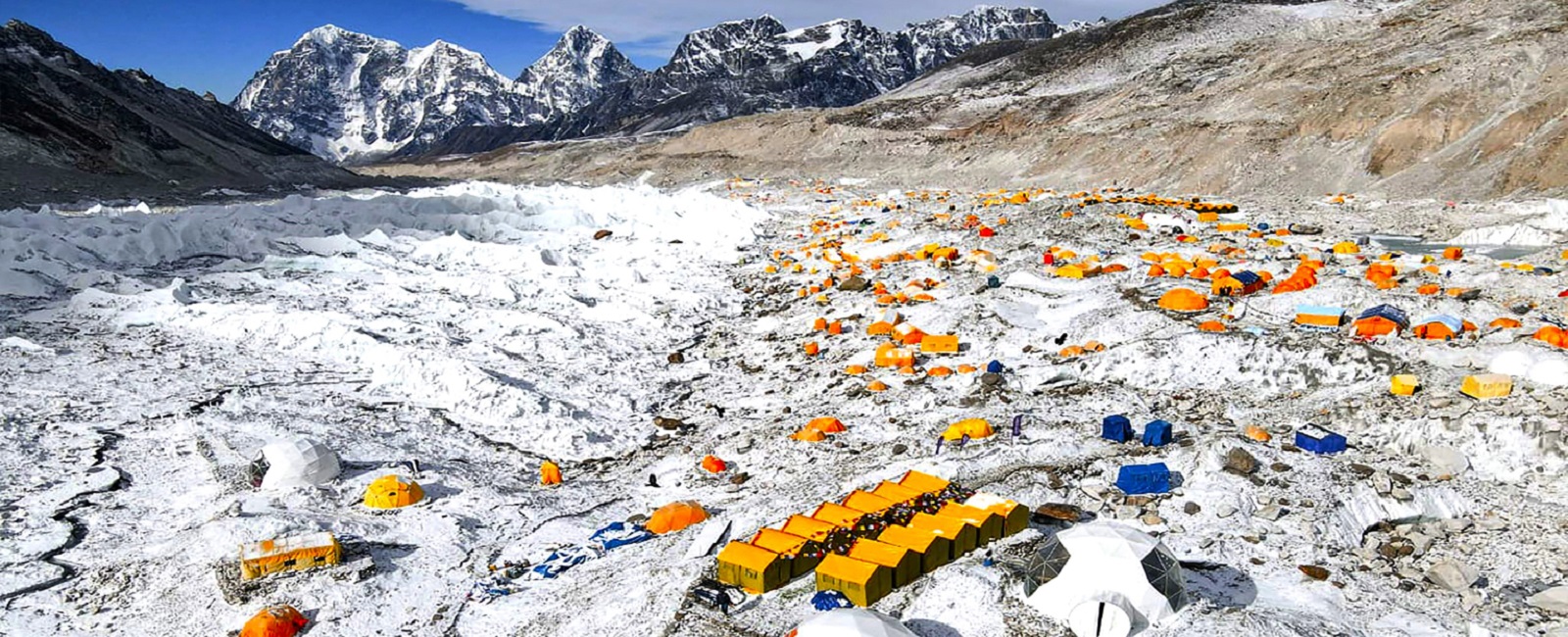
Reach the base of Mount Everest and stand among glaciers and prayer flags.
Hiking time: 7–8 hours
Climb to the best viewpoint of Everest, then descend for a well-deserved rest.
Hiking time: 7 hours
Retrace your route through forests and suspension bridges.
Hiking time: 6 hours
Return to Lukla for your final night in the mountains.
Hiking time: 6–7 hours
Take an early flight and enjoy your final evening in Nepal’s capital.
We’ve shared this information to make your travel planning a little easier. Some details can change with the season or the way you like to travel. If you’re unsure about anything, just reach out — we’ll happily share tips and advice that fit your plans perfectly.
The trek is considered moderate to challenging. While it doesn’t require technical climbing skills, it involves long walking days, high altitude, and variable terrain. Good physical fitness and mental endurance are key.
The ideal seasons are spring (March–May) and autumn (September–November) when the weather is clear, the skies are bright, and mountain views are at their best.
The standard itinerary takes 12–14 days, including acclimatization days. Some trekkers choose longer routes like the Gokyo Lakes or Three Passes Trek for added adventure.
You’ll need two main permits:
Sagarmatha National Park Entry Permit
Khumbu Pasang Lhamu Rural Municipality Permit
Both can be arranged in Kathmandu or during the trek.
You’ll stay in teahouses — small, family-run lodges offering basic but cozy rooms and homemade meals. Most have shared bathrooms, with hot showers available for a small fee.
Yes. The trek reaches heights over 5,000 meters, so acclimatization is crucial. Follow the “climb high, sleep low” rule, stay hydrated, and avoid rushing your ascent.
Yes, you can trek independently, but hiring a local guide and porter is highly recommended for safety, navigation, and cultural insight.
Essentials include warm layers, a quality sleeping bag, hiking boots, a down jacket, and trekking poles. Check our Everest Base Camp packing guide for the complete list.
Wi-Fi is available in most teahouses (for a small charge), and local SIM cards (like Ncell) provide intermittent coverage along the route.
Start training at least 6–8 weeks before departure with a mix of cardio (hiking, running, cycling) and strength training. Focus on endurance and leg conditioning.
{{ item.label }}
{{ item.value ? item.value : currencyFormat( item.amount ) }}
Subtotal
{{ currencyFormat( pricing_summary.total_amount ) }}
{{ item.label }}
{{ item.value ? item.value : currencyFormat( item.amount ) }}
Subtotal
{{ currencyFormat( pricing_summary.total_amount ) }}