
Planning an Everest Base Camp trek comes down to eight decisions made in the right order: when to go, how many days, guided or independent, permits, flights to Lukla, budget, fitness and gear, and insurance. Start six to twelve months ahead for the spring or autumn peak seasons, lock in your dates and itinerary first, then work through the checklist below. Each step links to our more detailed guide when you need it.
EBC trek planning checklist at a glance
| Step | Decision | When to do it | Key point |
|---|---|---|---|
| 1 | Choose your season and dates | 6–12 months before | Mid-March to May and October to November are best; book early for these |
| 2 | Pick your itinerary length | 6–12 months before | Allow 14–16 days in Nepal for the classic route, plus 1–2 spare days |
| 3 | Decide guided or independent | 6–9 months before | Khumbu does not require a guide, but most first-timers use one |
| 4 | Book international flights | 4–6 months before | Fly into Kathmandu with buffer days for Lukla delays |
| 5 | Buy travel insurance | As soon as you book | Must cover trekking to at least 5,545 m and helicopter evacuation |
| 6 | Start training | 3–4 months before | Hill walking with a daypack, stairs and back-to-back long days |
| 7 | Health check and gear | 2–3 months before | Travel clinic visit, altitude advice, boots broken in |
| 8 | Visa, money and permits | 1 month before to arrival | Visa on arrival or in advance; permits bought in Kathmandu or on the trail |
Step 1: Choose when to go
Your dates shape everything else: weather, crowds, flight reliability and prices. There are two main trekking seasons in the Khumbu.
| Season | Months | What to expect | Planning note |
|---|---|---|---|
| Autumn | Late September to November | Clearest skies, stable weather, busy trails | Most popular. Lukla flights usually run from Ramechhap (Manthali) |
| Spring | March to May | Warmer, rhododendrons lower down, Everest climbing season at Base Camp | Afternoon cloud is common. Ramechhap flights again likely |
| Winter | December to February | Very cold nights, quiet trails, some lodges closed higher up | Possible for well-equipped trekkers; flights generally from Kathmandu |
| Monsoon | June to early September | Rain, cloud, leeches lower down, frequent flight cancellations | Only for flexible trekkers with several spare days |
If you want to see expedition tents at Base Camp, go in late April or May. If clear mountain views matter most, aim for October to mid-November. Our guide to the best time to trek Everest Base Camp breaks the year down month by month.
Check Nepal’s festival calendar too. Dashain and Tihar usually fall in October or November, which affects domestic travel and Kathmandu bookings.
Step 2: Decide how many days you need
The classic route flies to Lukla and walks up to Base Camp in about eight days, then down in three or four. With arrival and departure days in Kathmandu, plan on 14–16 days in Nepal. Add one or two spare days for weather delays at Lukla.
| Option | Typical length | Who it suits |
|---|---|---|
| Classic EBC via Lukla | 12–14 days trekking and flights; 14–16 days in Nepal | Most first-time trekkers |
| Classic EBC via Phortse (quieter ascent) | 16 days in Nepal | Those who want quieter trails and a gentle profile |
| Jiri or Phaplu walk-in | 18–22 days | Trekkers who want to avoid the Lukla flight and acclimatise gradually |
| EBC with Gokyo Lakes via Cho La | 17–20 days | Fit, experienced trekkers comfortable on a glaciated pass |
| EBC with helicopter return | 10–12 days | Short on time; saves the descent but not the ascent |
Never shorten the walk up. The acclimatisation days at Namche Bazaar and Dingboche are what make the trek safe. Read our guide to altitude sickness on Everest before choosing a short itinerary. For distances on each stage, see Everest Base Camp trek distance. If you are drawn to the lakes, our Gokyo Lakes guide explains that route.
Step 3: Guided, independent or group?
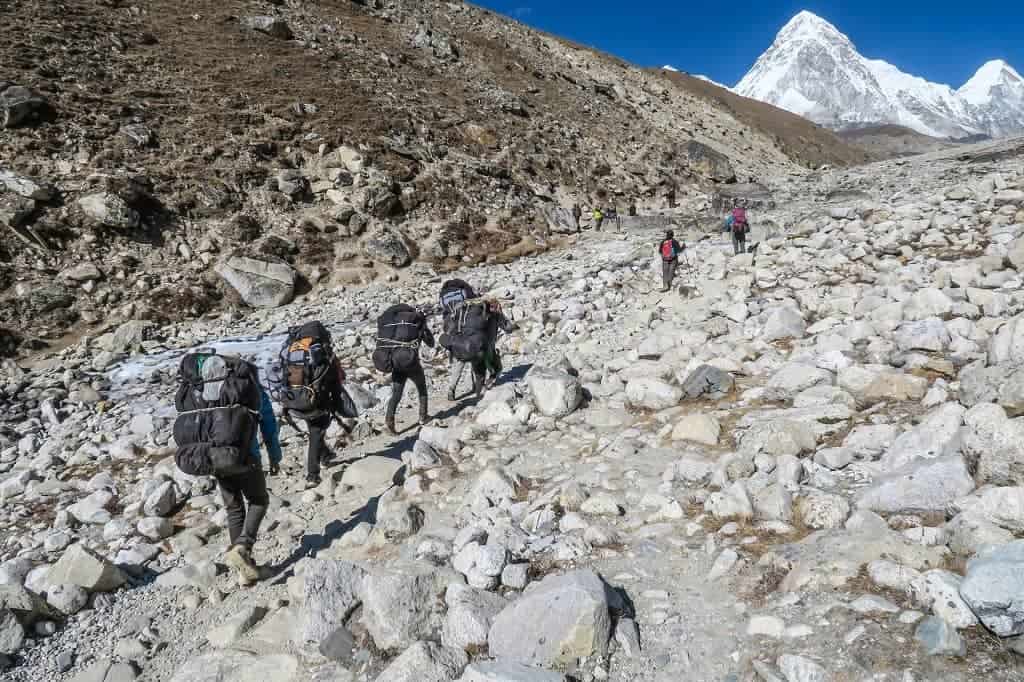
Since 1 April 2023, foreign trekkers in most of Nepal’s trekking areas, including Annapurna, must hire a licensed guide through a registered agency. The Khumbu Pasang Lhamu Rural Municipality, which covers the Everest region, did not adopt that rule. Independent trekking to Everest Base Camp remains possible, although national and local authorities have publicly disagreed about it, so check the position close to your departure.
| Style | Pros | Cons |
|---|---|---|
| Independent | Cheapest; total flexibility | You arrange flights, permits and rooms; no one to spot altitude illness or handle emergencies |
| Hire a guide (and porter) locally | Local knowledge, someone to watch your health | Quality varies; check licence and insurance yourself |
| Fixed-departure group with an agency | Flights, permits, rooms and contingency planning handled; shared costs; company | Fixed dates and pace |
| Private guided trek | Your dates and pace | Higher cost per person |
For a first trek at altitude, we recommend a licensed guide. A good guide adjusts the pace, knows which lodges have rooms in peak season, recognises early signs of altitude illness and organises evacuation if needed. Ask any operator whether guides hold a government trekking guide licence, have first-aid and altitude training, and are insured; and how they handle spare days and sick trekkers.
Step 4: Understand the permits
The Everest Base Camp trek via Lukla needs two local permits. A TIMS card is not required in the Khumbu.
| Permit | Fee for foreign nationals | Where to get it |
|---|---|---|
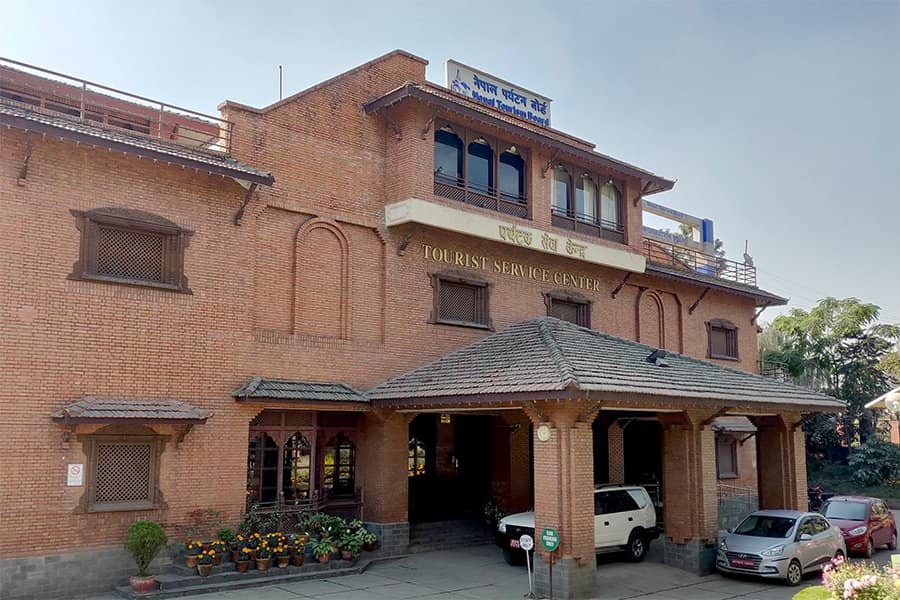
| Sagarmatha National Park entry permit | NPR 3,000 (about £15), plus VAT where charged; reduced rate for SAARC nationals | Nepal Tourism Board office in Kathmandu, or the park entry gate at Monjo |
| Khumbu Pasang Lhamu Rural Municipality fee | NPR 3,000 (about £15) per person, per local sources in 2026 | On the trail at Lukla or Monjo; cannot be bought in Kathmandu |
| Gaurishankar Conservation Area permit (Jiri walk-in only) | NPR 3,000 (about £15) | Kathmandu |
Fees change. Older sources quote NPR 2,000 for the municipality fee, so confirm current rates with your agency or the Nepal Tourism Board before you travel. Carry your passport and spare passport photos, and keep permits somewhere dry and accessible for checkpoints. If you book with an agency, permits are usually included.
Step 5: Plan the Lukla flight (and Ramechhap)
The 30-minute flight to Lukla is the logistical heart of the trek. Small aircraft fly only in good visibility, so delays of a day or more are common, especially in spring afternoons and the monsoon.
- Ramechhap (Manthali) in peak season: In spring and autumn, most Lukla flights depart from Manthali airport in Ramechhap district rather than Kathmandu, to ease congestion. That means a 4–5 hour drive from Kathmandu, often leaving in the early hours, or an overnight near the airport.
- Fares: Around US$230–240 one way for foreigners in 2026 (about £175–180). Return tickets are usually booked together.
- Baggage: Typically 10 kg of hold baggage plus 5 kg of hand luggage per person. Excess is charged by the kilo and may travel on a later flight.
- Buffer days: Leave at least one, preferably two, spare days between your return flight from Lukla and your international flight home.
- If flights stop: Helicopter charters are sometimes shared to get trekkers in or out, at extra cost. In the dry season, a long jeep journey to Surke or Phaplu followed by walking is another option.
Our 16-day Everest Base Camp trek builds in the Manthali transfer and an overnight near the airport, so the early start does not eat into your trek.
Step 6: Set your budget
Costs depend mostly on whether you go independently or with an agency. Prices below are approximate.
| Item | Approximate cost |
|---|---|
| Nepal tourist visa (30 days) | US$50 (about £38); 15 days US$30, 90 days US$125 |
| Permits | About NPR 6,000 (about £30) |
| Lukla return flight | Around US$460–480 (about £345–360) |
| Teahouse food and room, per day | Rises with altitude; budget around NPR 5,000–8,000 (about £25–40) a day |
| Extras: hot showers, charging, Wi-Fi, snacks | A few hundred rupees each, more at higher villages |
| Guided group trek (land only) | Our 16-day trek is from £1,295 per person |
| Tips for guide and porter | Agree a group approach; budget for it in cash |
There are ATMs in Lukla and Namche Bazaar, but they are unreliable and charge fees. Carry enough Nepali rupees from Kathmandu for the whole trek plus a reserve. For a full breakdown, read our Everest Base Camp trek cost guide, and see what to expect from lodges in our guide to Everest Base Camp teahouses.
Step 7: Get fit and get checked
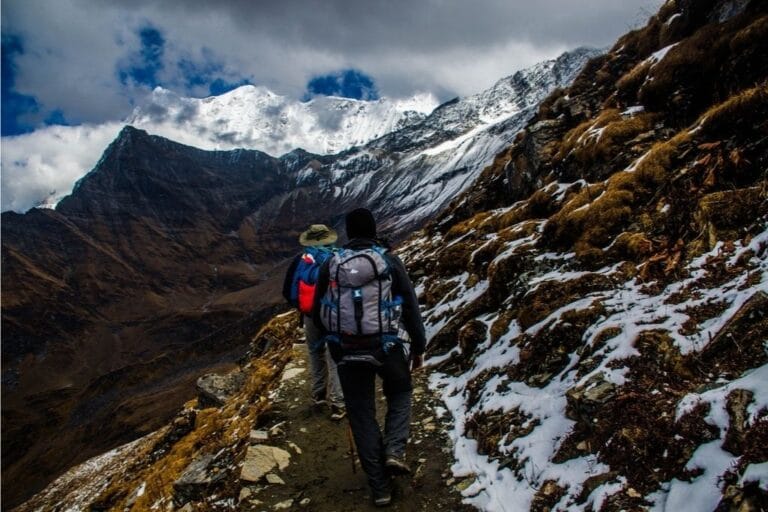
The EBC trek is non-technical, but you walk for five to seven hours a day for around twelve days, much of it above 4,000 m. Start training three to four months before you go.
- Build endurance: long hill walks of five hours or more, ideally on consecutive days.
- Train climbs and descents: stairs, step-ups and steep hills with a 6–8 kg daypack.
- Add strength: squats, lunges and core work to protect knees on long descents.
- Break in your boots on these walks.
Our guide on how to train for Everest Base Camp has a week-by-week plan, and Everest Base Camp trek difficulty explains what each day feels like.
Six to eight weeks before departure, visit your doctor or a travel health clinic. Discuss vaccinations, any medical conditions, and whether altitude medication such as acetazolamide is suitable for you.
Step 8: Sort insurance, visa, money and gear
Travel insurance
Buy insurance as soon as you book, so cancellation cover starts early. It must cover trekking to at least 5,545 m (Kala Patthar), with many trekkers choosing cover to 6,000 m, and include helicopter evacuation and medical treatment. Read our Everest Base Camp travel insurance guide for what to check.
Visa and documents
Most nationalities can get a visa on arrival at Kathmandu airport or apply in advance. Your passport needs at least six months’ validity. Our Nepal visa guide explains the process.
Gear
You need layers for temperatures from mild days in the lower valleys to nights well below freezing above 4,000 m. A warm sleeping bag and down jacket can be rented in Kathmandu’s Thamel district if you do not own them. Pack to the Lukla baggage limit. Use our Everest Base Camp packing list to check you have everything.
Your EBC planning timeline
- 6–12 months before: choose your season, itinerary length and trekking style. Book with an agency or reserve your guide. Peak autumn and spring departures fill early.
- 4–6 months before: book international flights into Kathmandu with spare days at the end. Buy travel insurance.
- 3–4 months before: start a structured training plan. Buy or borrow boots and walk them in.
- 2–3 months before: visit a travel clinic. Check your gear list and decide what to rent in Kathmandu.
- 1 month before: check your passport, prepare visa documents, confirm permit fees and flight arrangements, and organise money.
- In Kathmandu: attend your trek briefing, hire any missing gear, collect permits if you are independent and withdraw cash.
Common planning mistakes to avoid
- Booking an international flight home the day after your scheduled return from Lukla.
- Choosing the shortest itinerary to save money and cutting acclimatisation days.
- Buying insurance that stops at 4,000 m or excludes helicopter rescue.
- Arriving with brand-new boots.
- Relying on ATMs above Kathmandu.
- Overpacking beyond the Lukla baggage allowance.
Next step
Once you have chosen your season and trekking style, the rest of the plan falls into place. If you want the logistics handled for you, see our 16-day Everest Base Camp trek. Still choosing between regions? Compare Annapurna Base Camp vs Everest Base Camp, or start from our Everest Base Camp destination guide.
Frequently asked questions
How far in advance should I plan an Everest Base Camp trek?
For spring or autumn, start six to twelve months ahead. That gives you time to secure group departures, flights and training. Off-season treks can be arranged at shorter notice.
Do I need a guide for the Everest Base Camp trek?
Not legally in the Khumbu, which did not adopt Nepal’s 2023 guide rule, although the position has been disputed and is worth checking before you go. Most first-time trekkers use a licensed guide for safety and logistics.
What permits do I need for Everest Base Camp?
The Sagarmatha National Park permit (NPR 3,000 for foreigners) and the Khumbu Pasang Lhamu Rural Municipality fee (NPR 3,000 in 2026 per local sources). The Jiri walk-in also needs a Gaurishankar Conservation Area permit. Confirm current fees before travelling.
Can I book Lukla flights myself?
Yes, through the airlines or a Kathmandu agency, but in peak season seats sell out and departures usually move to Ramechhap (Manthali), a 4–5 hour drive from Kathmandu. Agencies normally arrange flights and transfers as part of a trek.
How many days do I need for Everest Base Camp?
Plan on 14–16 days in Nepal for the classic Lukla route, including Kathmandu days and two acclimatisation days, plus one or two spare days for flight delays.
How much money should I take on the trek?
Even on a guided trek, take cash in Nepali rupees for meals not included, drinks, showers, charging, Wi-Fi and tips. Budget roughly £25–40 a day for food and extras if they are not included, and keep a reserve for delays.
What is the best month to plan an EBC trek?
October and November offer the clearest views. April and May are warmer and coincide with the climbing season at Base Camp. Both are busy, so book early.
Can a beginner plan an Everest Base Camp trek?
Yes, if you are reasonably fit, train for several months and choose an itinerary with proper acclimatisation. No technical climbing experience is needed.