
Hiking is for everyone, and women do not need a separate rulebook. A few things do make a real difference, though: gear that fits your body rather than a smaller version of a men’s design, a sensible safety routine, and practical answers for toilets and periods on the trail. This hiking guide for women covers all of that, from your first day walk to trekking in Nepal.
Hiking for women: the quick guide
| Topic | What matters most |
|---|---|
| Getting started | Begin with short, well-marked routes and build distance and height gradually. |
| Backpack | Fit to your torso length, not your height. Women’s packs usually offer shorter torso ranges, narrower shoulder straps and shaped hip belts. |
| Boots | Try on in the afternoon with hiking socks. Women’s lasts are often narrower at the heel, but go by fit, not the label. |
| Clothing | Layers of merino or synthetic fabric, a waterproof jacket, and a supportive sports bra. Avoid cotton. |
| Safety | Leave a route plan with someone, carry a map and charged phone, check the weather, and trust your instincts. |
| Toilets and periods | Carry a small toilet kit, learn Leave No Trace basics, and pack out all used products. |
| Finding people | Walking clubs, women’s hiking groups and guided trips make it easy to start. |
| Nepal | A licensed guide is required in most trekking areas. Women-led agencies and female guides are available. |
Getting started with hiking
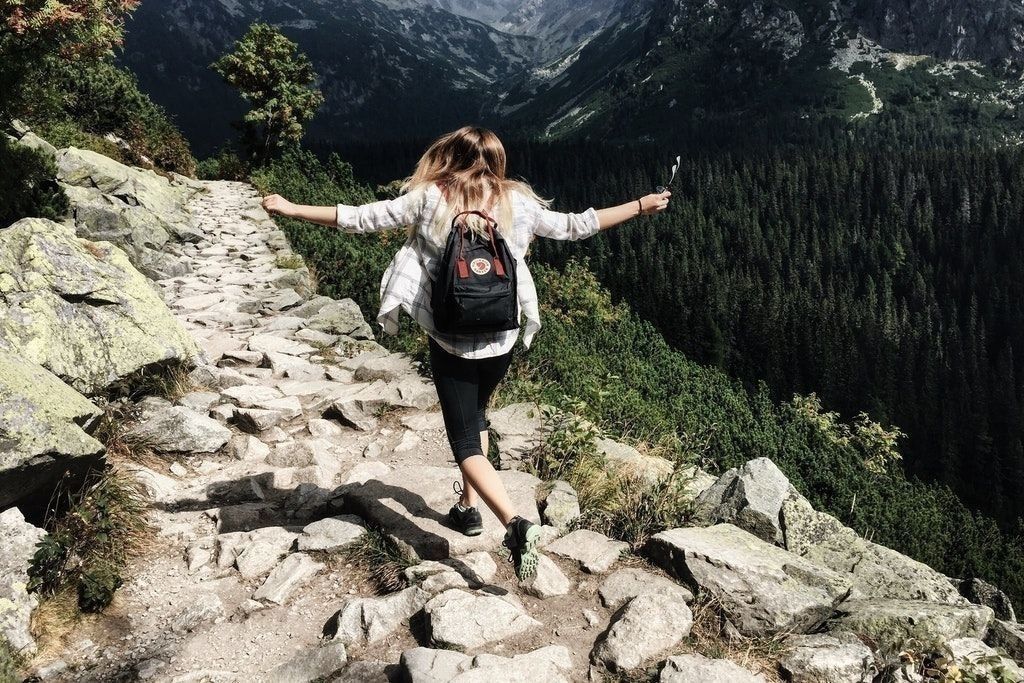
The best first hike is one you will enjoy and finish comfortably. Choose a route of 5 to 10 kilometres on clear paths with limited climbing, and allow more time than the guidebook suggests. A common planning rule, Naismith’s rule, allows about an hour for every 5 kilometres plus an extra hour for every 600 metres of ascent, before breaks.
- Pick a waymarked route. Country parks, national parks and coastal paths are ideal first steps.
- Check the weather and daylight. Turn back if conditions change. The hill will still be there.
- Pack the essentials. Water, food, a waterproof, a warm layer, a map, a charged phone, a small first aid kit and a headtorch.
- Build gradually. Add distance or height a little at a time. Hills and descents are where most beginners feel it.
- Learn as you go. Each walk teaches you something about pacing, layering and what you actually need to carry.
Hiking and trekking are not quite the same thing. Trekking usually means multi-day walking between overnight stops; see our guide to trekking for beginners when you are ready for multi-day walks.
Gear and fit for women
Good gear is about fit and function, not colour. Some products marketed to women are simply men’s designs in different colours, so check the actual measurements and features. Equally, some women find a men’s or unisex fit works better. Fit is personal.
Backpacks
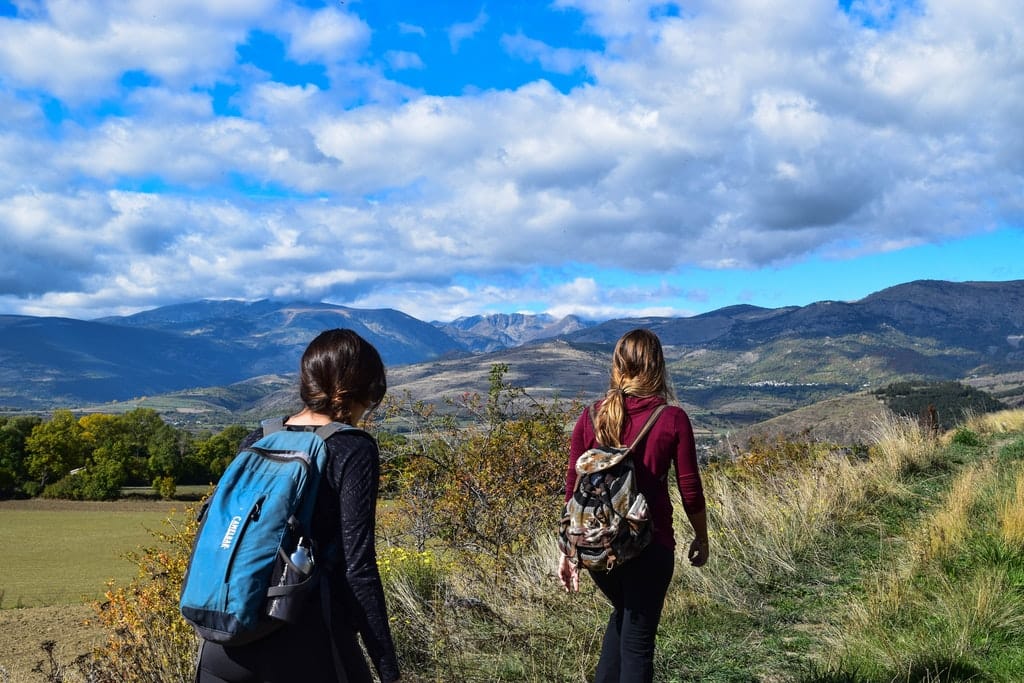
Most of a pack’s weight should sit on your hips, not your shoulders. That makes torso length and hip belt shape the two most important measurements. Women-specific packs typically have:
- a shorter torso length range;
- shoulder straps set closer together, often curved to sit comfortably around the chest;
- a sternum strap that sits higher with a wider adjustment range;
- a hip belt and lumbar pad angled and contoured for wider hips;
- sometimes slightly lower volume for the same model.
Measure your torso from the prominent bone at the base of your neck to the top of your hip bones, then try packs loaded with weight. Extended-fit or plus-size packs with longer straps and hip belts are also available from several makers. Our guide on how to choose a backpack for trekking explains sizing step by step.
Boots and shoes
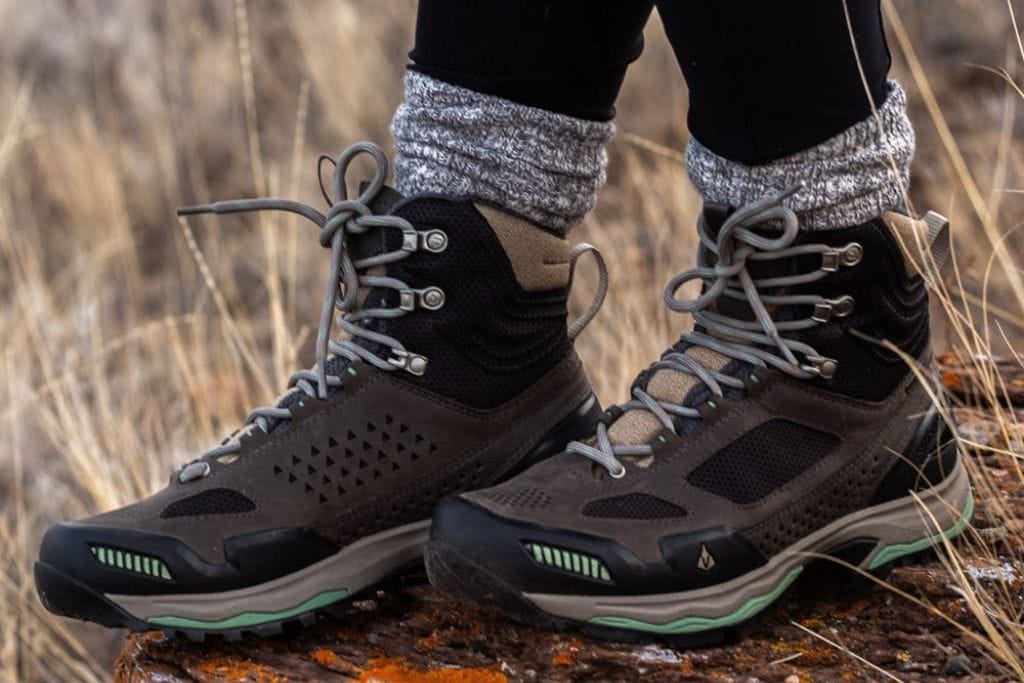
Women’s footwear is usually built on a different last, often narrower at the heel and lower in volume. Many women have wider forefeet, though, so a men’s or wide fit can be the right answer. Try boots on later in the day when your feet have swollen slightly, wear the socks you will hike in, and walk downhill on a ramp in the shop if one is available. Your toes should not hit the front.
Break new boots in gradually over several shorter walks. For the details, read how to choose trekking shoes.
Clothing and layering
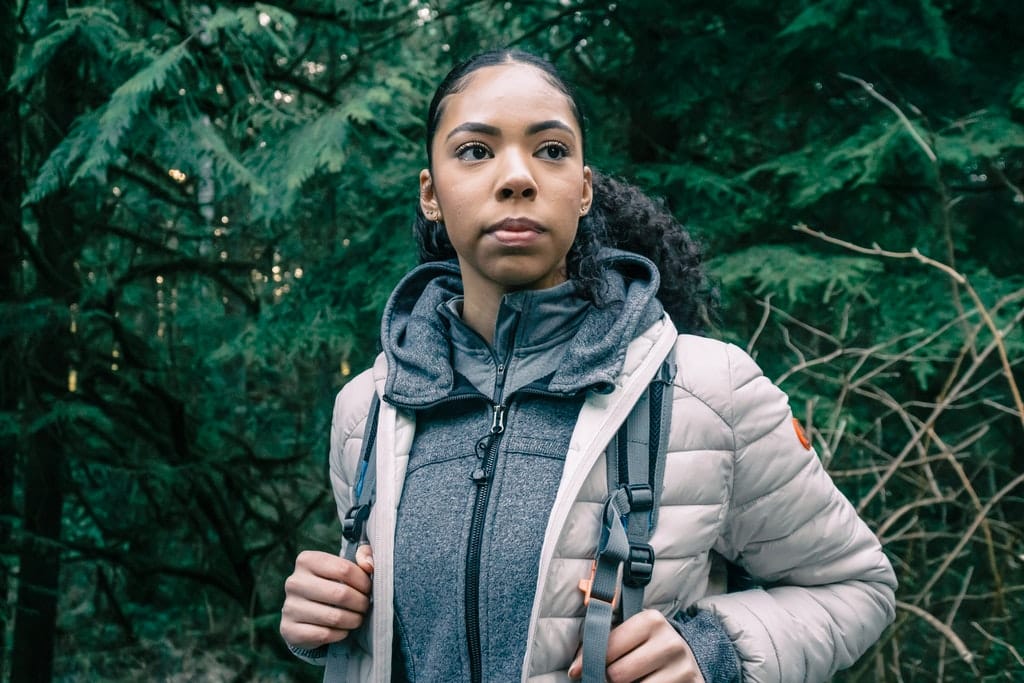
Layering works the same for everyone. Combine a base layer that moves sweat, a mid layer for warmth, and a waterproof, windproof shell. Add a down or synthetic insulated jacket for colder walks and high altitude.
- Base layers and underwear: merino wool or synthetic fabrics dry faster and smell less than cotton.
- Sports bra: choose a supportive, quick-drying bra without seams or clasps where pack straps sit.
- Trousers: look for a gusseted crotch, stretch fabric and a waistband that does not dig in under a hip belt.
- Extras: a sun hat, sunglasses, gloves and a warm hat. Altitude and snow increase sun exposure significantly.
Trekking poles
Poles reduce the load on knees during descents and help with balance on rough ground. Adjustable poles with smaller grips suit smaller hands. Set them so your elbow is at roughly a right angle on flat ground.
Safety on the trail
Most hiking risks are the same for everyone: weather, navigation errors, slips and getting caught out by darkness. Good habits handle almost all of them. Personal safety is also a reasonable concern for many women, and a few simple routines help.
Share your plans
Before every hike, tell someone where you are going, your route, and when you expect to be back. Agree what they should do if they do not hear from you. Many phones allow you to share your live location with trusted contacts. In the UK, emergency services can be reached by text if you register your phone with the emergencySMS service in advance.
Navigation
- Download offline maps on your phone, and carry a paper map and compass if you can use them.
- Carry a power bank. Cold drains batteries quickly.
- Check your position often, not only when you feel lost.
- Learn basic map reading on a course or with a walking club. It is one of the most useful outdoor skills you can have.
Hiking solo
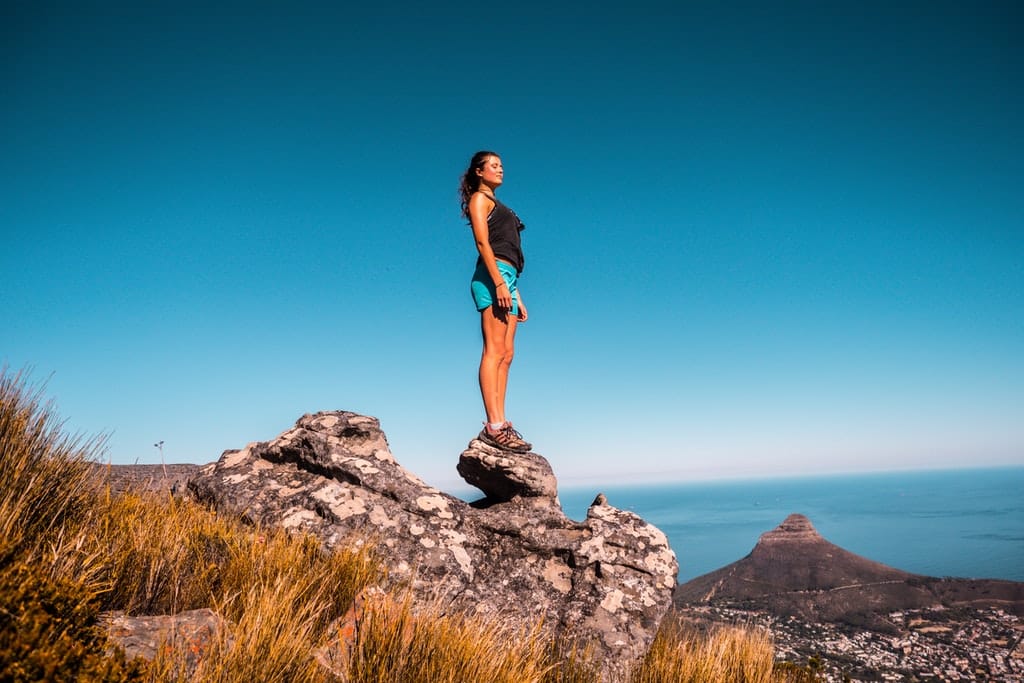
Many women hike alone and love it. Start on popular, well-marked routes you know, and build up. Keep your plans flexible and turn back if something feels wrong, whether that is the weather, the terrain or a person. You do not need to justify trusting your instincts.
- You do not have to tell strangers that you are alone or where you are camping.
- Consider a personal locator beacon or satellite messenger in areas with no mobile signal.
- Stay in staffed huts, hostels or teahouses if you prefer company at night.
Some destinations are better done with a guide or a group, whether for terrain, navigation or local rules. In Nepal, solo trekking without a guide is no longer permitted in most areas, as explained below.
Toilet and period practicalities
This is the topic many guides skip, but it is one of the most common worries for new hikers.
Going to the toilet outdoors
- Use facilities when you can. Plan routes around huts, cafés or teahouses if that helps you feel comfortable.
- Carry a small toilet kit: toilet paper, hand sanitiser and a sealable bag to pack out used paper.
- Follow Leave No Trace guidance. Go at least 60 metres (about 70 steps) from water, trails and camps. For solid waste, dig a hole 15 to 20 centimetres deep and cover it.
- Consider a female urination device. These funnels let you pee standing up, which helps in cold weather, on exposed ground or in a squat toilet. Practise at home first.
- Drink enough. Cutting back on water to avoid toilet stops leads to dehydration and raises the risk of urinary tract infections. Our guide to staying hydrated when hiking explains how much to drink.
Periods
Periods do not need to stop you hiking or trekking. Choose a product you already trust, carry spares, keep your hands clean and pack out all used items. We cover products, hygiene with limited water, pain relief and delaying your period in our full guide to trekking on your period.
Fitness for hiking
You do not need to be an athlete. You need enough stamina to walk for several hours, strong legs for climbs and descents, and a body that is used to carrying a pack.
- Walk often: regular walks with some hills are the best training.
- Carry weight: gradually add load to your pack on training walks.
- Train descents: step-downs and slow downhill walking build the control that saves knees.
- Add strength work: squats, lunges, step-ups and core exercises two or three times a week.
Some women find heavy periods leave them low in iron, which can make hard walking, and especially altitude, feel tougher. If you are often tired or breathless, ask your doctor about a blood test. For a full plan, see how to get in shape for trekking.
Finding hiking groups and clubs
Walking with others is a great way to learn routes, skills and confidence. Options include:
- National walking organisations, such as the Ramblers in Great Britain, which runs group walks across the country.
- Women’s and community hiking groups, such as Black Girls Hike in the UK, which organises group walks and outdoor skills sessions. Many others exist locally and on social media.
- University and workplace clubs, which often welcome beginners.
- Navigation and skills courses run by outdoor centres and mountain training providers.
- Guided trips, which take care of logistics and let you focus on walking.
Look for groups that state the pace, distance and level of each walk, so you can choose one that matches you.
Trekking in Nepal as a woman
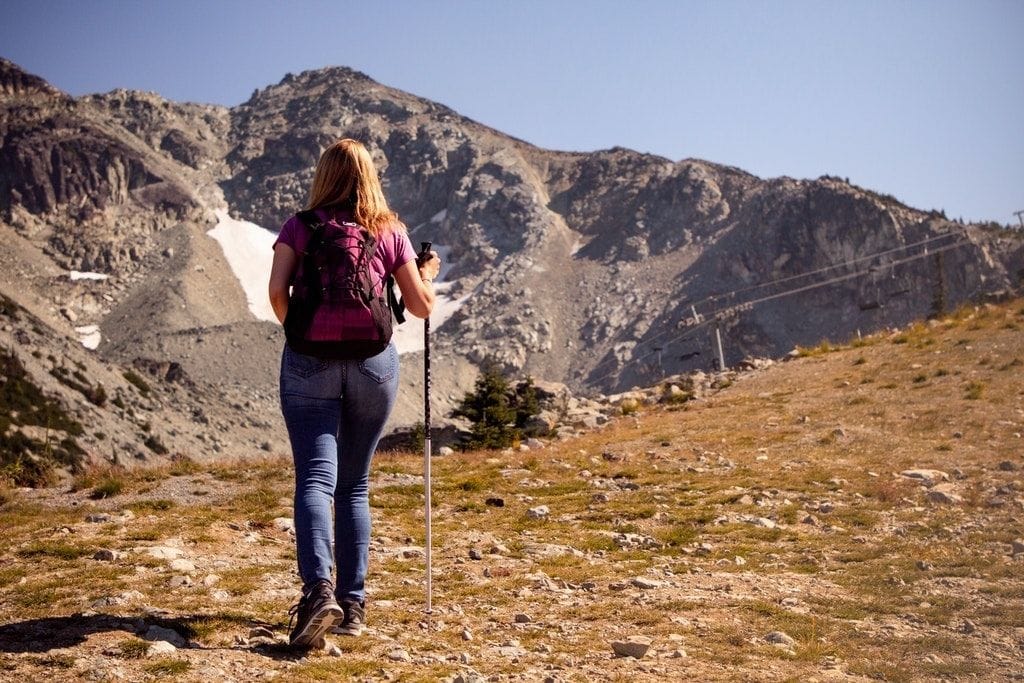
Nepal is one of the most popular trekking destinations for women, including those travelling alone. The main routes have lodges every few hours, other trekkers on the trail, and guides who are used to all kinds of travellers.
Guide rules
Since 1 April 2023, foreign trekkers in most of Nepal’s national parks and conservation areas, including Annapurna, must trek with a licensed guide booked through a registered agency. The Khumbu (Everest) local government did not adopt this rule, but most trekkers there still choose a guide. For women travelling solo, a guide also means someone who knows the trail, can handle altitude problems and can sort out lodges.
Female guides
Female trekking guides work in Nepal, though they are still a minority. One long-established women-led agency is 3 Sisters Adventure Trekking in Pokhara, founded in 1994 by sisters Lucky, Dicky and Nicky Chhetri. Its associated non-profit, Empowering Women of Nepal, trains Nepali women as trekking guides. As with any operator, check current licensing, reviews and terms before booking. If you would like a female guide, ask when you enquire with any agency, including us, as availability varies by route and season.
Dress and etiquette
Nepal is relaxed with trekkers, but modest dress is appreciated in villages and essential at religious sites.
- Cover shoulders and knees in villages, temples and monasteries. Trekking trousers and a T-shirt are fine.
- Remove shoes before entering temples, monasteries and homes, and ask before photographing people or inside shrines.
- Walk clockwise around stupas, chortens and mani walls, keeping them on your right.
- Public displays of affection are not common. Keep them low-key.
- Some traditional Hindu temples ask menstruating women not to enter. Follow posted signs or ask your guide.
Read more in our guides to culture in Nepal, things to know before travelling to Nepal and safety tips for trekking in Nepal.
Your next step
Start with a route that suits you, get gear that actually fits, and build experience one walk at a time. When you are ready for something bigger, a teahouse trek in Nepal is a superb goal.
Our Annapurna Base Camp trek (15 days, from £795) is a great first Himalayan trek, while the Everest Base Camp trek (16 days, from £1,295) takes you higher. Both run with licensed Nepali guides. For any other route, plan your trip with us.
Frequently asked questions
Is it safe for women to hike alone?
Many women hike alone safely. Start on popular, well-marked routes, leave your route and return time with someone, carry a map and charged phone, and turn back if anything feels wrong. In remote areas, consider a satellite messenger or personal locator beacon.
Do women need women-specific hiking gear?
Not always, but it often helps. Women’s packs usually have shorter torso ranges and shaped hip belts, and women’s boots are often narrower at the heel. Choose by fit rather than label, as some women find men’s or unisex designs fit better.
How do women go to the toilet when hiking?
Use facilities where available. Otherwise move at least 60 metres from water, trails and camps, pack out used toilet paper, and bury solid waste in a hole 15 to 20 centimetres deep. A female urination device lets you pee standing up.
Can I go hiking on my period?
Yes. Use a product you already trust, carry spares, keep your hands clean and pack out all used items. Our guide to trekking on your period covers products, hygiene and pain relief in detail.
Is Nepal safe for women trekkers?
Nepal’s main trekking routes are popular with women, including solo travellers. Since 2023 a licensed guide is required in most trekking areas, which adds support. Use a registered agency, dress modestly in villages and follow normal travel precautions.
Can I hire a female trekking guide in Nepal?
Yes, though female guides are still a minority. Women-led agencies such as 3 Sisters Adventure Trekking in Pokhara train and employ female guides, and other agencies can sometimes arrange one. Ask early, as availability varies.
What should women wear trekking in Nepal?
Wear practical layers: a moisture-wicking base layer, a fleece, an insulated jacket and a waterproof shell. Cover shoulders and knees in villages and at religious sites. Trekking trousers with a T-shirt or long-sleeved top work well.
How fit do I need to be to start hiking?
You only need to be able to walk comfortably for an hour or two to begin. Build up with regular walks, hills, a gradually heavier pack and some leg and core strength work.