

To clean a water bottle, flask or hydration bladder, wash it after each trip in warm, soapy water with a bottle brush, deep-clean stains and smells with bicarbonate of soda, white vinegar or purpose-made cleaning tablets, rinse thoroughly, and, most important of all, let every part dry completely with the lid off before you store it. Mould grows where moisture is left behind, so drying matters as much as washing.
This guide covers stainless steel and insulated flasks, plastic bottles, hydration bladders and drinking tubes, and filter bottles, with quantities, soak times, what not to do and how often to clean each one.
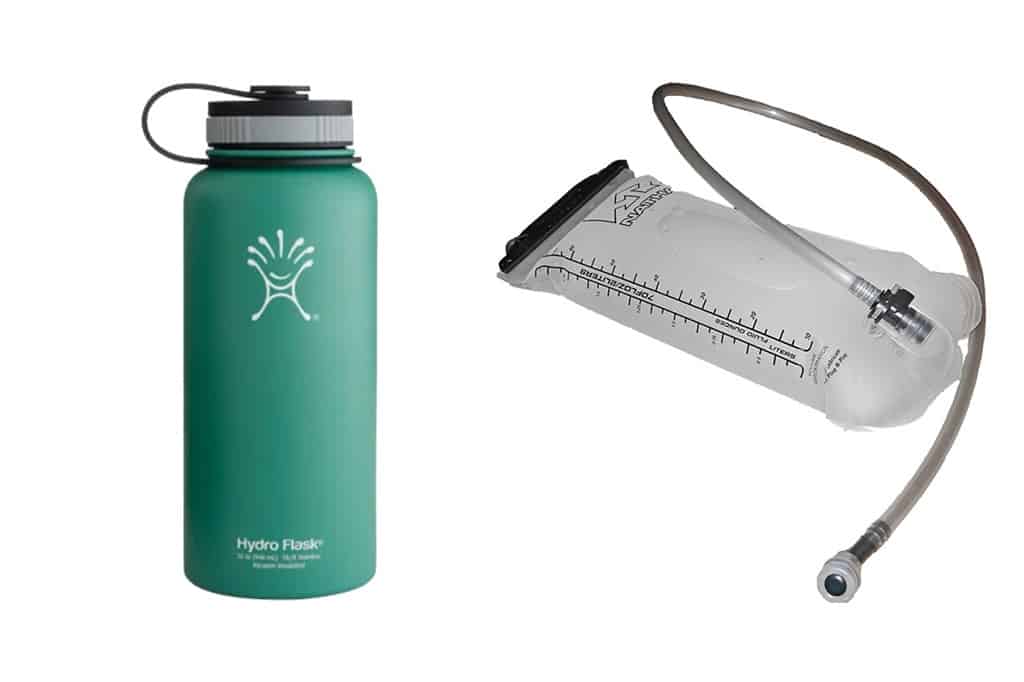
Quick answer: how to clean each type
| Container | Everyday clean | Deep clean for smells, stains or mould | Avoid |
|---|---|---|---|
| Stainless steel / insulated flask | Warm soapy water and a bottle brush; lid and seal washed separately | 1 tsp bicarbonate of soda in hot water, left for an hour or overnight; or a white vinegar rinse | Bleach, steel wool, dishwasher unless the maker says it is safe, soaking the whole flask |
| Plastic bottle (BPA-free) | Warm soapy water, brush, rinse | Bicarbonate of soda or vinegar soak; cleaning tablets | Boiling water in thin or soft plastic, abrasive pads |
| Hydration bladder and tube | Rinse with warm water after each use, flush the tube | Cleaning tablets (about 5 minutes) or a bicarbonate, lemon or dilute bleach solution (about 20 minutes), then scrub with brushes | Hot water above the maker’s limit, storing damp, leaving sports drinks inside |
| Filter bottle | Wash the bottle and lid in soapy water; clean the filter by its own method only | Follow the filter maker’s sanitising instructions | Soap or detergent through the filter, freezing hollow-fibre filters, dishwashers for the filter |
What you need
- Bottle brush long enough to reach the base, plus a small brush for lids, threads and seals.
- Tube brush or cleaning cord for hydration tubes.
- Mild washing-up liquid, unscented if possible.
- Bicarbonate of soda and white vinegar.
- Cleaning tablets: purpose-made reservoir tablets, or denture-cleaning tablets as a cheaper alternative.
- Unscented household bleach (optional, for bladders and plastic only, used very dilute).
- A drying rack or hanger that holds bottles upside down and bladders open.

Safety first: never mix bleach and vinegar
Mixing bleach with acids such as vinegar or lemon juice releases chlorine gas, which is dangerous to breathe. Use one cleaning method at a time and rinse thoroughly in between. Bleach mixed with bicarbonate of soda, as Platypus suggests for its reservoirs, is fine; bleach mixed with vinegar is not.
How to clean a stainless steel or insulated flask
Insulated flasks have a vacuum between two steel walls. That is what keeps tea hot for hours, and it is also why most need hand-washing: high dishwasher heat can damage paint and some designs can let water into seams. Check the base or the maker’s website; Hydro Flask, for example, says most of its bottles are dishwasher safe but tells users to avoid detergents containing bleach or chlorine.
Everyday clean
- Take the lid apart and remove any silicone seals or gaskets you can.
- Fill the flask a third full with warm water and a drop of washing-up liquid.
- Scrub the inside with a bottle brush, paying attention to the base and shoulder.
- Wash the lid, threads and seal separately with a small brush; this is where most smells start.
- Rinse well and stand upside down on a rack, lid off, until fully dry.
Removing tea and coffee stains or odours
- Bicarbonate of soda: wash the flask, fill it with hot water, add 1 teaspoon of bicarbonate of soda, close and leave for at least an hour, or overnight for heavy staining. Rinse thoroughly.
- White vinegar: pour in about half a cup, shake well, leave for around 20 minutes, then rinse thoroughly. Vinegar also helps with limescale.
- Uncooked rice: half-fill with cold water, add a couple of tablespoons of rice and shake for a few minutes. The rice acts as a gentle scrubber.
- Hydrogen peroxide and bicarbonate: Hydro Flask suggests half a cup of hydrogen peroxide with 2 tablespoons of bicarbonate of soda for stubborn coffee residue, left for 30 minutes before washing with soap and water.
- Denture tablets: drop one or two into a flask of warm water, leave for the time on the packet and rinse.
Avoid bleach, steel wool and abrasive scrubbers on stainless steel. They can scratch the surface, damage the finish and, in the case of bleach, cause pitting. Do not submerge the whole flask for long periods.
How to clean a plastic water bottle
Plastic bottles pick up flavours and smells more readily than steel, and scratches inside can harbour bacteria.
- Wash with warm soapy water and a brush, including the lid, spout and any straw or valve.
- For smells or a film inside, soak overnight in warm water with 2 to 3 teaspoons of bicarbonate of soda, or with a splash of white vinegar, then scrub and rinse.
- For a sanitising clean, use reservoir or denture-cleaning tablets, or a very dilute unscented bleach solution (a few drops per litre), then rinse several times.
- Dry upside down with the lid off.
Many hard plastic bottles tolerate hot water, but thin single-use bottles and soft flasks can warp. Check the maker’s maximum temperature. Single-use plastic bottles are not designed for repeated washing and refilling; on a trek a durable bottle you can clean properly is the better choice, and it avoids adding plastic waste to mountain villages.
How to clean a hydration bladder and tube
Bladders (reservoirs) are the hardest to keep clean because the inside is hard to reach, the tube is narrow and they are often put away damp. Sugary sports drinks make things worse. If you use electrolytes in your bladder, rinse it the same day.
After every use
- Empty it, then rinse with warm water.
- Lift the bladder above the sink and squeeze or pinch the bite valve so clean water flushes through the tube.
- Disconnect the tube if it detaches, and hang everything to dry.
Deep clean (REI and Platypus method)
- Fill the bladder with warm water (not scalding) and add your cleaner. Options include:
- Reservoir cleaning tablets, as directed on the pack.
- Around a quarter cup of bicarbonate of soda per litre of water.
- 2 to 5 drops of unscented household bleach per litre of water (Platypus’s guidance; some makers, such as Gregory, say not to use bleach or boiling water in their reservoirs, so check yours first).
- Around a quarter cup of lemon juice per litre, for strong smells.
- Seal and shake, then hang the bladder so the tube drapes down and pinch the bite valve until the solution fills the tube.
- Leave for about 5 minutes with tablets, or about 20 minutes with household ingredients, then drain.
- Refill with warm water and a little washing-up liquid. Scrub the inside of the bladder with a reservoir brush (or turn wide-opening bladders inside out) and run a tube brush through the hose several times.
- Remove the bite valve and scrub it and the valve seat separately. Replace bite valves that are split or permanently discoloured; they are cheap.
- Rinse everything thoroughly until there is no taste or smell of cleaner.
Getting rid of mould in a bladder
Small black or green spots inside the tube or bladder are mould. Soak with a dilute bleach solution or cleaning tablets as above, scrub with brushes and rinse very thoroughly. If spots remain embedded in the plastic, or the tube is cloudy and stained throughout, replace the tube or the bladder. You cannot reliably sanitise mould you cannot scrub away.
Drying a bladder properly
- Hang it upside down, wide open, so water drips out and air circulates.
- Prop it open with a purpose-made hanger, a clean kitchen whisk or a rolled kitchen towel.
- Hang the tube separately, vertically, with the bite valve removed.
- Dry in a dry, airy room, not a steamy bathroom. Allow a day or more.
Some hikers store fully drained bladders in the freezer to stop anything growing between trips. It is a common tip rather than a manufacturer requirement, and it only works if the bladder is empty and the tube drained.
How to clean a filter bottle
Filter bottles need two separate routines: one for the bottle and lid, and one for the filter, which must be cleaned only as its maker instructs.
- The bottle and lid: warm soapy water and a brush, then rinse and air-dry. Remove the filter first.
- The filter: never use soap or detergent on it, and do not put it in the dishwasher. Hollow-fibre filters are usually cleaned by backflushing or blowing clean water back through them; carbon elements are replaced on a schedule.
- Sanitising: LifeStraw, for example, recommends a weekly clean and monthly deep clean of its Go Series membrane filter using a solution of a quarter teaspoon of bleach in 2 cups of water for 5 minutes (an hour or more for a deep clean), followed by two rinses and blowing out the filter.
- Storage: dry the bottle fully. Store filters according to the maker’s guidance; LifeStraw advises storing its membrane filter separately if the bottle is used infrequently, because damp can cause mould.
- Freezing: many hollow-fibre filter makers warn that freezing can damage the fibres without any visible sign. At high altitude, for example on the Everest Base Camp trek, keep the filter in your sleeping bag at night and in an inside pocket by day.
How often should you clean bottles, flasks and bladders?
| Item | Rinse | Wash with soap | Deep clean |
|---|---|---|---|
| Water-only bottle | Daily on a trek | After every trip, or every few days in daily use | Monthly, or whenever it smells |
| Flask used for tea, coffee or soup | Same day | After every use | When stained or smelly |
| Hydration bladder (water only) | After every use | After every trip | Every few weeks of use, and before storage |
| Bladder with electrolytes or squash | Same day | After every use | Regularly; sugar feeds mould |
| Filter bottle | Backflush as instructed | Bottle after each trip | Filter per maker (LifeStraw Go: weekly and monthly) |
Drying and storage: the step that stops mould
- Always store with the lid off or loosely on, never sealed with moisture inside.
- Dry upside down on a rack so water drains and air circulates.
- Keep seals and gaskets separate until dry; take them out to check for mould periodically.
- Store in a cool, dry cupboard, not a damp garage or the bottom of a pack.
- Before a trip, give stored bottles and bladders a quick wash and rinse.
Keeping bottles clean on a trek in Nepal
On teahouse treks you will refill bottles daily from boiled water, treated water stations or tap water you purify yourself, so your bottle stays in constant use. A few habits make a big difference:
- Use a wide-mouth bottle; it is easier to fill, clean and dry than a narrow one.
- Rinse the bottle and lid each evening with treated water and leave it open overnight.
- Mix electrolytes in a separate bottle rather than your bladder.
- Clean the bite valve and lid threads regularly; they collect dust and food.
- Do not refill bottles with untreated tap or stream water without purifying it.
Staying well hydrated at altitude matters. Our guides on how to stay hydrated when hiking and altitude sickness on Everest explain how much to drink and why, and our safety tips for trekking in Nepal cover food and water hygiene.
Next steps
Clean kit lasts longer and is healthier to use. Once your bottles are sorted, see how to clean trekking boots and wash your backpack, and check our trek packing checklist. When you are ready to put it all to use, look at our Everest Base Camp trek or Annapurna Base Camp trek.
Frequently asked questions
How do I get mould out of a water bottle?
Take the lid and seals apart, soak everything in warm water with bicarbonate of soda or a cleaning tablet (or a few drops of unscented bleach per litre for plastic), scrub with a bottle brush and small brush, rinse thoroughly and dry with the lid off. If mould is embedded in a seal or soft plastic, replace that part.
Can you put a stainless steel flask in the dishwasher?
Only if the manufacturer says it is dishwasher safe. Many insulated flasks should be hand-washed because heat can damage the finish or seals. Even where dishwasher use is allowed, Hydro Flask advises avoiding detergents containing bleach or chlorine.
Is it safe to use bleach to clean a hydration bladder?
Yes, if very dilute. REI, citing Platypus, suggests 2 to 5 drops of unscented household bleach per litre of water, followed by thorough rinsing. Some makers, including Gregory, advise against bleach in their reservoirs, so check your bladder’s instructions. Never mix bleach with vinegar or lemon juice, which releases chlorine gas, and do not use bleach on stainless steel.
How do you clean a CamelBak or hydration tube?
Fill the bladder with a cleaning solution, pinch the bite valve so it runs through the tube, leave it to soak, then scrub inside the tube with a tube brush or a knotted cord pulled through several times. Remove and scrub the bite valve separately, rinse well and hang the tube vertically to dry.
Does vinegar clean water bottles?
Yes. White vinegar helps remove odours, film and limescale. Use about half a cup in a flask or a splash in a bottle of warm water, leave for around 20 minutes (or overnight for plastic), then scrub and rinse thoroughly.
How often should I wash my reusable water bottle?
Rinse daily and wash with soap after every trip, or every few days if you use it daily for water. Bottles used for anything other than water, such as coffee or sports drinks, should be washed after each use.
Can I wash my filter bottle’s filter with soap?
No. Soap and detergent can damage filter media and leave residue. Clean the filter only by the maker’s method, typically backflushing or a dilute sanitising soak, and wash the bottle and lid separately with soap.
Should I store a hydration bladder in the freezer?
Some hikers freeze an empty, drained bladder between trips to stop mould growing. It is a common tip, not a manufacturer requirement. Drying it fully and storing it open in a dry place works well too.