
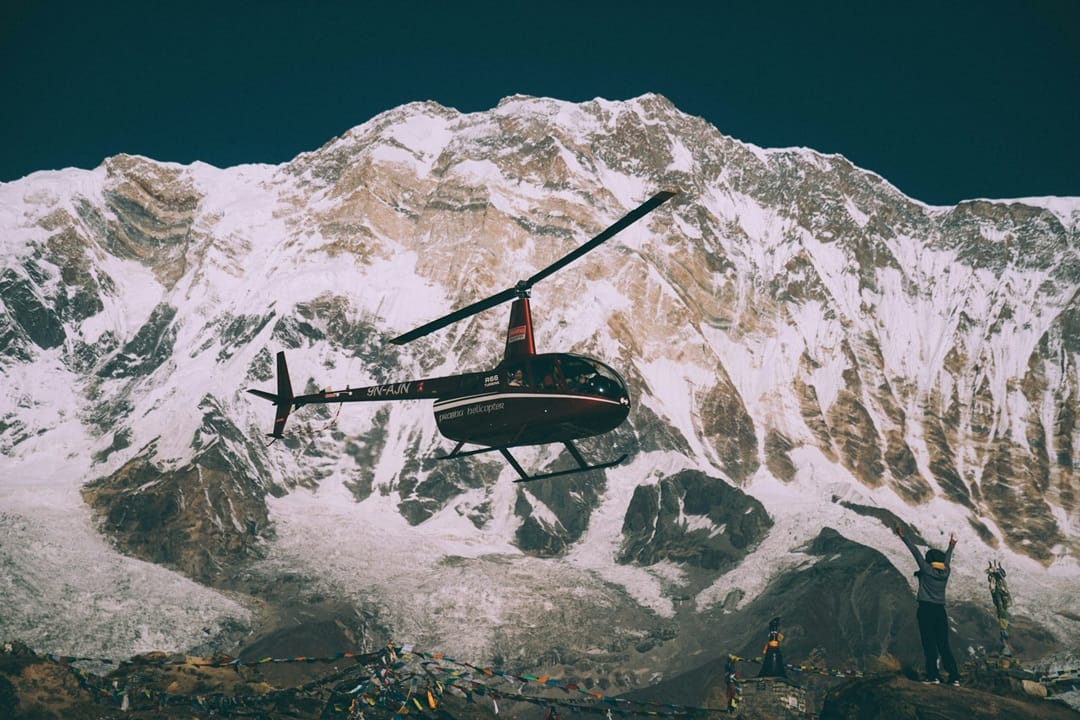
For an Everest Base Camp trek, look for travel insurance that covers your highest planned altitude, your trekking activities, emergency medical treatment and medically necessary helicopter evacuation. Then check the conditions: an altitude limit alone does not confirm that every part of your trip is insured.
The same insurer can offer different products depending on where you live. A recommendation from another trekker is a starting point, but the policy wording, schedule and endorsements issued to you are what you need to check.
This guide explains the questions to ask before buying. It provides general information, rather than a personal insurance recommendation.
What should Everest Base Camp travel insurance cover?
Start with eligibility, altitude and medical protection, then check the financial consequences of a disrupted trip. Use this table when comparing policies.
| Check | Question to ask |
|---|---|
| Eligibility | Can someone of my age and country of residence buy this policy for the whole journey? |
| Altitude and activities | Does it cover every planned viewpoint, side trip and activity, with any required extension? |
| Emergency medical treatment | Are eligible altitude-related illnesses and injuries covered during this trek? |
| Evacuation and rescue | Does cover include medically necessary helicopter evacuation from the route? Is search and rescue a separate benefit? |
| Repatriation | What medically necessary transport home is covered, and who authorises it? |
| Cancellation and interruption | Which reasons qualify, and are the limits sufficient for my unrecoverable costs? |
| Flight disruption | Are domestic flights, weather delays and missed connections included, and under what conditions? |
| Excesses and payment | What must I pay myself, and can providers be paid directly? |
| Equipment | What limits and exclusions apply to my own gear and hired items? |
A trek organiser may make insurance a booking condition. Check your booking terms separately from Nepal’s current entry and permit requirements; an organiser’s requirement is not evidence of a universal legal rule.
Check the highest point and every activity
Your cover needs to accommodate the whole itinerary, including optional excursions. Do not select a policy using only the altitude of Base Camp or your highest overnight stop.
Include Kala Patthar and other side trips
If your route includes Kala Patthar, Gokyo or additional passes, give the insurer those details. Ask the trip organiser to confirm the highest planned point in writing, especially if different itinerary documents give different elevations.
You will often see policies advertised with a 6,000 m (19,685 ft) trekking limit. Treat that as a product limit to compare with your route, rather than a universal legal minimum or a guarantee of cover. Activities and exclusions still matter.
Distinguish trekking from climbing
An EBC trek combined with Island Peak or another climbing extension needs a separate activity check. A policy’s altitude ceiling may accommodate the summit while its activity wording excludes the equipment or climbing involved.
Ask how the insurer classifies your actual activities. Also check requirements for a qualified guide, recognised trails and any activity add-on. Ensure the extension appears on your policy documents after purchase.
Understand evacuation, treatment and repatriation
These benefits address different stages of an emergency. A policy that pays for evacuation does not necessarily provide sufficient hospital cover or transport home.
Helicopter evacuation and search and rescue
Ask whether medically necessary helicopter evacuation is covered from your route and altitude. Check who decides necessity, who arranges transport, which destination is authorised and whether a separate excess applies.
If finding or reaching you requires search and rescue, ask about that explicitly. Do not assume that a medical evacuation benefit includes every search operation.
Insurance also cannot guarantee an immediate flight. The FCDO’s Nepal health advice warns that rapid helicopter evacuation can be difficult in remote areas and recommends adequate cover and accessible funds for treatment, evacuation and repatriation.
Medical treatment after evacuation
Confirm that eligible altitude sickness treatment and other emergency illnesses or injuries are covered during your insured activities. Check the medical limit separately from the evacuation limit, including whether benefits share an overall cap.
Ask how hospital admission, diagnostic tests and direct payment are handled. “Cashless” arrangements may still require approval and confirmation of cover; clarify what happens while that assessment is pending.
Insurance is financial protection, not a substitute for a suitable itinerary or medical advice. Read our altitude-sickness guidance for the health considerations.
Repatriation to your home country
Check whether the policy includes medically necessary transport home, any required medical escort and the assistance team’s approval process. An evacuation to a hospital in Nepal and a subsequent journey home are separate arrangements.
Know the emergency authorisation process
Find out before travelling how the assistance team should be contacted and what approval is required for evacuation or significant treatment. Save those instructions offline and share them with your guide.
Ask what happens if you are unconscious, unable to communicate or somewhere without a usable connection. Read the emergency-notification provisions alongside any prior-authorisation requirement.
Do not delay urgent medical care while trying to resolve insurance paperwork. Seek immediate help when needed, with your companion or guide contacting the assistance team as soon as possible and following the applicable process.
Australia’s Smartraveller advice for Nepal warns about unnecessary helicopter evacuations and false claims that an insurer has approved them. Where possible, confirm arrangements through the assistance contact on your own policy rather than relying on someone else’s assurance.
Check that you are eligible for the policy
Start with the product offered for your country of residence. Nationality and residence are not interchangeable, and a brand’s overseas website may describe a different policy.
Age, dates and the whole journey
Check age restrictions for both the policy and its trekking extension. Make sure Nepal, any other destinations and your full travel dates meet the terms, including travel before and after the trek.
If you are using an annual policy, check its maximum duration for each trip. For a longer journey, confirm whether trekking can be added for part of the trip and how an extension would work if your return is delayed.
Pre-existing conditions
Follow the insurer’s medical questions and disclosure rules. Check its definition of a pre-existing condition, including symptoms, treatment, medication or investigations that may fall within it.
Declaring a condition does not automatically mean it is accepted. Obtain confirmation of any cover, exclusion or additional premium. Conversely, having a medical condition does not automatically mean every unrelated benefit disappears.
For example, World Nomads’ explanation of pre-existing conditions makes clear that treatment depends on the applicable policy and country of residence. Ask your own insurer about your circumstances through its secure medical-screening process.
Does a rescue membership replace travel insurance?
Do not assume it does. A rescue membership and an insurance policy can provide different services and financial protection.
| Product | What to establish |
|---|---|
| Rescue or evacuation membership | Which rescue and transport services it arranges, altitude extensions, eligibility conditions and whether it reimburses independently arranged services. |
| Travel insurance | Which medical expenses, evacuation costs, cancellations and other losses it covers, subject to limits and exclusions. |
| A combination | Who to contact first, how the providers coordinate and whether any important expenses remain outside both products. |
Global Rescue’s membership and insurance explanation, for example, treats the two as distinct products. Compare the documents for the products you are considering rather than assuming either label tells you everything included.
Check cancellation, Lukla delays and baggage separately
Medical protection does not answer every question about a disrupted holiday. Read the cancellation, interruption and delay sections individually.
Cancellation and cutting a trip short
Check the listed reasons for a claim and when each benefit starts. Cancellation cover is not normally a promise to refund any change of mind.
Compare the relevant limits with your non-refundable commitments, including flights and other booked services. Our trek budget guide can help you identify the different costs, but use your own bookings when choosing limits.
Domestic flights and missed connections
Ask specifically about Lukla flights, weather delays, extra accommodation and a missed international connection. Check waiting periods, evidence requirements, domestic-flight eligibility and any conditions about allowing contingency days.
A commercial helicopter transfer booked to avoid a flight delay is a different expense from medically necessary evacuation. Do not assume the medical evacuation benefit will pay for it.
Keep receipts and written explanations from the relevant transport provider. Contact the insurer before committing to alternative transport where the policy requires approval.
Trekking equipment and hired items
Check total baggage cover, single-item limits and exclusions for equipment in use. Ask separately about hired sleeping bags, down jackets or other rented gear.
A generous overall limit may still leave an expensive individual item underinsured. Use the packing list to identify what you will take, then check its value and the applicable terms.
How to choose an insurance provider for your EBC trek
Choose the policy you can verify for your circumstances. Before paying, identify the insurer or underwriter, the company selling the cover and the emergency assistance service. Check the relevant regulatory register where applicable, rather than relying only on a review score or an affiliate recommendation.
Ask who handles emergency calls and claims, whether assistance is available around the clock, and how to raise a complaint. Keep a copy of the wording version supplied with your quote; a general website article may describe a different product or later terms.
For a trekker combining Nepal with a longer journey, full-trip eligibility and extension rules may be decisive. For someone with medical conditions, accepted medical cover may narrow the choice first. For expensive non-refundable bookings, cancellation limits deserve closer attention. There is no single best travel insurance policy for all three situations.
How much does Everest Base Camp insurance cost?
There is no dependable price for every traveller. Obtain quotes using the same residence, age, travel dates, activities and benefit requirements before comparing them.
A cheaper quote may have a higher excess, lower limits or fewer benefits. A more expensive one may include protection you do not need, while still excluding an essential activity.
Compare the premium alongside the amount you could have to pay yourself, especially for helicopter evacuation. Check the currency of each benefit and excess; a US-dollar limit and a pound-denominated excess are not directly comparable without conversion.
This guide does not give a universal price range because a quote without a defined traveller and policy could give you a misleading budget.
Send your insurer this itinerary checklist
Request written clarification before purchase if the documents leave an important point unclear. Replace the brackets below and attach your proposed itinerary.
I am resident in [country], aged [age], and travelling from [departure date] to [return date]. My Nepal trip includes an Everest Base Camp trek following the attached itinerary.
The highest planned point is [location and confirmed altitude]. Side trips and additional activities are [details]. The trek is [guided or otherwise], using [route details]. Any technical climbing or specialist equipment involved is [details or none].
Please identify the policy and activity extension suitable for this itinerary, and confirm any guide, route or altitude conditions.
Please explain the applicable cover and limits for emergency medical treatment, altitude-related illness, helicopter evacuation, search and rescue, and medical repatriation. Who authorises these services, what excesses apply, and what happens if immediate contact is impossible?
Please also explain any relevant conditions for domestic flight disruption, missed connections, cancellation, equipment and buying or extending cover while travelling.
Please direct me to the relevant wording and any endorsement required. I will complete medical disclosures through your secure screening process.
Keep the response with your documents. If it conflicts with the wording, ask the insurer to resolve the discrepancy and provide any necessary formal endorsement; an informal reassurance is not a substitute for the correct cover.
Save these documents before travelling
Keep an offline copy of your policy wording, schedule, activity endorsements and assistance instructions, plus a printed emergency contact and policy number.
Share the practical emergency details with your guide and someone at home. Keep sensitive medical information secure. Know how to make a claim and which medical reports, receipts or transport documents may be required.
Frequently asked questions
Does credit-card travel insurance cover an EBC trek?
It might, but check the underlying policy. Confirm activity and altitude limits, evacuation benefits and any conditions requiring the trip to be paid for with the card. Having a premium card is not confirmation of trekking cover.
Can I use an annual travel insurance policy?
Potentially, if it covers your activities, destinations and full trip duration. Check the maximum number of days per trip and whether the trekking extension applies to this journey.
Can I buy insurance after arriving in Nepal?
Some products allow purchase while already travelling; others do not. Confirm eligibility, waiting periods and what happens to illnesses, injuries or events that began before cover took effect. Do not assume a newly purchased policy covers an existing problem.
Will insurance pay for a helicopter because I am tired?
Do not assume so. Wanting to shorten the trek does not establish medical necessity. A non-medical return flight is a separate expense unless an applicable benefit explicitly covers the circumstances.
Check your route before requesting cover
Use GLF’s published trek itinerary as a starting point, then enquire about your proposed dates and route. Obtain the confirmed itinerary before asking an insurer to assess it, including the highest point and any optional excursions.
Your insurer should answer coverage questions. GLF can help clarify the proposed travel plan so you know what to ask.