 Plan my trek
Plan my trek
Plan my trek
The colourful mountain town where trekkers acclimatise, replace forgotten gear and prepare for the higher trails of the Everest region.
3,440 metres
Two nights
Trek from Lukla
Acclimatisation
Saturday
Spring and autumn
If you look at the pictures of Namche Bazaar in Solukhumbu, Nepal you will certainly feel like it is a colourful mountain town filled with bakeries, cafés, trekking shops and comfortable lodges. However if you ask a trekker who has been through forests, villages and across suspension bridges, almost all will say it feels like you have suddenly returned to civilisation.
But do not let the bakeries and Wi-Fi fool you.
Namche sits at around 3,440 metres above sea level and is built across a steep mountainside. Honestly, a lodge or café that appears only a few minutes away may involve climbing enough steps to make your lungs question every decision that brought you there. The Nepal Tourism Board describes it as a historic trading centre, a major acclimatisation stop and a place where trekkers complete last-minute shopping before heading towards EBC, Gokyo or the Three Passes.
It is also one of the last places to withdraw cash, replace forgotten equipment, charge your devices and enjoy a surprisingly good cup of coffee before continuing higher.
Namche is built like a giant staircase carved into the mountainside.
The town spreads across different terraces, with lodges, shops, bakeries and walking trails positioned at different heights. On a map, everything appears close together. In reality, getting from the lower part of town to an upper viewpoint may feel like a small hike of its own.
The altitude makes the climb even more noticeable. Something as simple as walking to a bakery can leave you breathing harder than expected, especially during your first afternoon in Namche.
This is also why the location of your lodge matters. Staying lower down can be a blessing when you arrive tired from the climb. However, it means walking uphill whenever you visit the upper town or begin your acclimatisation hike.
Hotel Everest View is true to its name and has become one of the most popular acclimatisation activities from Namche.
The trail climbs above the town towards Syangboche before continuing towards the hotel. As you gain height, the buildings of Namche begin to look smaller below you and the wider Khumbu landscape starts to open up.
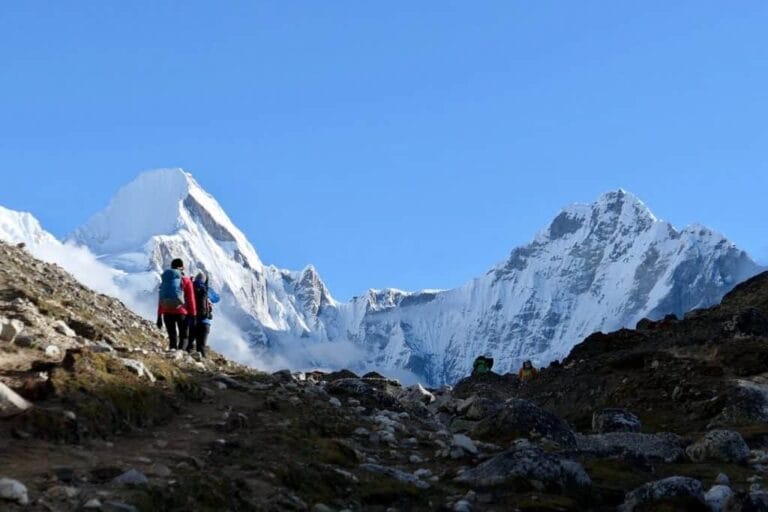
On a clear day, the route offers views towards Everest and several surrounding peaks. However, Everest may not be the mountain that immediately catches your attention. Ama Dablam, Thamserku and other nearby mountains often look much larger and more dramatic from this part of the trail.
The hotel is roughly two hours from Namche but the walk may take longer depending on your pace, the conditions and how frequently you stop to catch your breath or take photographs.
The important part of the walk is not reaching the hotel as quickly as possible. You are gaining altitude during the day before returning to sleep lower in Namche. This gives your body time to experience a higher elevation without immediately moving your overnight stop upwards.
You can return by the same route or continue towards Khumjung and Khunde if you feel well and have enough time.
The Sagarmatha National Park Visitor Centre is one of the easier places to include during your stay. Located near the park headquarters above Namche, it provides information about the national park, the surrounding mountains, wildlife, Sherpa communities and the history of mountaineering in the region.
The views from the surrounding area are just as important as what is inside. On a clear day, you can look across the valley and surrounding peaks without committing to the longer Hotel Everest View route.
Sagarmatha National Park covers 124,400 hectares and was added to the UNESCO World Heritage List in 1979. The park also contains long-established Sherpa settlements whose culture remains closely connected to the landscape.
The Sherpa Culture Museum is necessary if you want to understand the local community. It displays relating to traditional homes, clothing, household objects, religious practices and mountaineering history help explain how life in the Khumbu developed long before trekking became an international industry.
It is also an important reminder that Sherpa refers to an ethnic community. It is not simply another word for a porter or mountain worker.
The visit won’t take the entire day. However, even a short visit may change the way you understand the villages, monasteries and people you encounter farther along the trail.
Opening arrangements can change, so ask your lodge or guide before making a special journey.
Namche is a mixture of stone paths, colourful lodges, trekking shops, cafés, bakeries, prayer wheels and homes built across the hillside. One moment you may be looking at down jackets and trekking poles. The next, you may be standing beside a monastery or moving out of the way as a train of pack animals passes through the narrow path.
It can feel surprisingly modern compared with the smaller settlements farther along the trail. You can find coffee, cakes, Wi-Fi and even a pub.
However, it is still a high-altitude mountain settlement. Spend time exploring, but avoid walking up and down the terraces simply because you feel guilty about resting. The purpose of your stay is to help your body adjust. Not to complete a staircase marathon.
The main weekly market takes place on Saturday morning. This is not simply a tourist souvenir market. It remains part of Namche’s role as a trading centre for the surrounding region, with people buying and selling food, clothing and everyday goods. Historically, Namche connected communities in the Khumbu with traders arriving from surrounding villages and across the Himalayan trade routes.
Tourism has transformed the town, but the weekly market still provides a glimpse of its commercial life beyond trekking.
Namche Monastery offers a quieter break from the equipment shops and busy trekking lodges. Keep your voice low, dress respectfully and ask before taking photographs inside. Remove your shoes where requested and avoid disturbing prayers or ceremonies.
Khumjung and Khunde sit above Namche and can be combined with a longer acclimatisation walk. The route normally passes towards Syangboche and Hotel Everest View before continuing into the villages.
Khumjung is one of the larger Sherpa settlements in the Khumbu. It is known for its monastery and the school associated with Sir Edmund Hillary. The walk gives you a chance to see a quieter side of the area beyond the busy streets of Namche.
However, it is not the right choice for everyone.
Hotel Everest View describes Khumjung as around 20 minutes from the hotel, however the complete journey from Namche is considerably longer because you must first climb above the town.
The purpose of the acclimatisation is to give your body more time at altitude while completing a controlled walk to a higher point and returning to sleep lower.
This is commonly described as climbing high and sleeping low.
The human body requires time to adjust to reduced oxygen at altitude. Current guidance recommends gradual ascent and additional acclimatisation time as sleeping altitude increases above 3,000 metres.
Easy Option: Museum and Viewpoint Walk
Route: Namche Bazaar to the Sagarmatha National Park area and back
It is the best option if you want a shorter walk, arrived tired or would prefer to spend more time exploring Namche.
You still gain some height above the town, but the day is less demanding than continuing all the way to Hotel Everest View.
Combine the walk with the visitor centre, Sherpa Culture Museum and an easy afternoon in town.
Standard Option: Syangboche and Hotel Everest View
Route: Namche Bazaar to Syangboche, Hotel Everest View and back
It is the standard choice for many trekkers. Leave after breakfast and climb slowly above Namche. Stop regularly, drink water and allow time for the views.
Depending on your speed, the return walk may take most of the morning and part of the afternoon.
Once back in Namche, eat lunch, rest and prepare for the next stage of your trek.
Extended Option: Hotel Everest View, Khumjung and Khunde
Route: Namche Bazaar to Syangboche, Hotel Everest View, Khumjung or Khunde, then back to Namche
Choose this option only when you feel well and have enough daylight.
It allows you to combine mountain views with village life, but it is a substantially longer day than simply reaching Hotel Everest View and returning.
We do not recommend pushing to Khumjung and Khunde especially if you are a beginner.
Begin the day with breakfast and assess how your body is responding to your first night in Namche. If everything feels okay, begin your acclimatisation walk at a slow, controlled pace.
At daytime, return to Namche or stop for food along the route, depending on the walk you selected. After having lunch, rest for a while and then visit a museum, replace essential equipment, or prepare your bag for the next stage.
In the evening, eat early, hydrate adequately, and get plenty of sleep.
It is imperative you listen to Your Body
A mild headache can have several causes, including tiredness, dehydration, and altitude. However, symptoms after gaining elevation should never be dismissed automatically.
Acute mountain sickness commonly involves a headache together with symptoms such as nausea, dizziness, fatigue, or a reduced appetite. Symptoms often begin within several hours of reaching a higher altitude or after the first night.
Do not continue climbing when symptoms are worsening.Speak to your guide or seek medical help when you are uncertain. Severe breathlessness at rest, confusion, loss of coordination, or a rapidly worsening condition requires urgent attention.
Namche is one place where the location of your hotel is more than about the view or comfort. The town’s steep layout means location can change the experience of your stay.
And the reason is simple it’s what happens the other day. A lodge in the lower part of town may save your legs when you arrive. A lodge higher up may make the following morning easier.
Unfortunately, you cannot have both.
Lower Namche
Lower Namche can feel like a blessing at the end of the climb from Jorsalle. You reach your lodge sooner and avoid carrying your bag through even more steps after entering the town. This area suits tired arrivals, travellers staying only briefly and anyone who wants to minimise effort on the first afternoon.
However, the trade-off comes later. Most viewpoints, acclimatisation routes and parts of the upper town sit above you.
So what it means is everytime you have to go somewhere you will have to start with uphill walking during your stay.
Central Namche
Central Namche is close to shops, restaurants, bakeries and many of the town’s everyday services. It is the most convenient option for travellers who want easy access to the commercial centre and do not mind a busier atmosphere.
The area is livelier during the main trekking seasons, particularly when large groups arrive.
Upper Namche
Upper Namche can offer wider views and easier access to trails leading towards Syangboche and Hotel Everest View. It suits stronger walkers, photographers and travellers staying for several nights.
However, the climb to your lodge may feel much less attractive after the long trekking day from Phakding or Monjo.
The usual way to get to Namche Bazaar is by flying into Lukla and then trekking through the Dudh Koshi valley, which usually takes about two days.
On your first day, you’ll travel from Lukla to either Phakding or Monjo. You’ll pass some suspension bridges and prayer stones along the way, and your body will start getting used to the trekking rhythm in Khumbu.
Phakding is closer to Lukla, so your guide will probably suggest staying there for a more relaxed start after your flight. Neither spot is really better than the other.
If you’re keeping a good pace, you might make it to Monjo instead.
On the second day, you’ll set out for Namche Bazaar, and that’s when things start getting serious. This trek will take about 6 to 7 hours.
The route goes on through the Dudh Koshi valley, past the national park entrance, and Jorsalle before you hit the major suspension bridges. After crossing the river, you’ll begin a long climb up to Namche, which can take anywhere from 1.5 to 3 hours.
Take your time; don’t rush.
By the way, if you see yaks, mules, or other pack animals on the trail, it’s best to move to the mountain side of the path.
Avoid standing too close to the edge. Give the animals plenty of space and wait for the whole line to pass. Never try to squeeze through, even if you’re in a hurry.
Spring and autumn are the prime times for trekking. These seasons generally provide a good mix of trail conditions, mountain visibility, available places to stay, and flight options. Still, there’s no season that guarantees perfect weather.
Namche is a high-altitude mountain settlement where temperatures can drop suddenly after sunset, and the weather can change quickly throughout the year.
Spring means longer days, milder daytime temps, and clear trails as the winter snow clears out. In March it’s a bit cold but nights are colder but April and May offer comfortable daytime trekking.
When trekking through the lower elevations near Lukla and Phakding you will see rhododendrons blooming which is the national flower of Nepal.
Average daytime highs are about 7°C in March, 10°C in April, and 13°C in May. Night-time lows can drop below freezing, hitting around -2°C in May.
What to expect:
Cold mornings and nights
Busier lodges
More clouds later in the season
High UV exposure
Summer temperatures are milder, but it’s also the wettest and cloudiest time. Rain can make lower paths muddy and slippery, and clouds might block mountain views and affect flights to Lukla.
Long-term averages show daytime highs around 15°C to 16°C and night-time lows of about 3°C to 5°C during June, July, and August. You’ll see more rain and clouds than in the main trekking seasons.
The bright side is that it is calm, green, and not too crowded, but you have to be flexible and understand that Everest might be in clouds for much of your time there.
September to November
Autumn is the most popular time to visit Namche. The monsoon starts to taper off in September, while October and November typically bring drier conditions and clearer mountain views.
September can still be rainy, but October usually strikes a nice balance between visibility and temperature, while November is cooler but tends to be drier. Average daytime highs are around 14°C in September, 11°C in October, and 8°C in November, with night-time lows dropping from about 2°C in September to -5°C in October and -10°C in November.
What to expect:
Busy trails and lodges
Colder nights as the season goes on
Higher demand for flights and rooms
It’s smart to book early during peak times.
Winter is cold, quiet, and usually clear. Daytime sun can feel nice, but temperatures drop quickly once the sun sets. Snow and ice can affect higher trails, and some lodges and services might operate on limited schedules.
Long-term averages suggest daytime highs around 3°C to 6°C, with night-time temps possibly falling between about -13°C and -15°C.
Winter is a good fit for experienced trekkers who have the right gear and are okay with the cold. It’s not the best time to find out your sleeping bag is only suitable for a British summer campsite.
Fortunately, Namche has more services than other settlements deeper in the Khumbu region. But that doesn’t mean everything will always work when you need it. Think of the town as a place to properly prepare rather than relying on it to solve all your problems higher up the trail.
Money and ATMs
Namche has ATM facilities, but they can be unreliable. Network issues, cash shortages, card compatibility, or withdrawal limits can throw a wrench in your plans.
Always carry enough Nepalese rupees from Kathmandu. Namche is only a spot to top up your funds instead of basing your whole financial strategy around it.
*** Make sure to store your money safely and spread it out between different spots.
Wi-Fi and Mobile Connectivity
Many lodges and cafés offer Wi-Fi, although the speed and reliability can be a hit or a miss. You might have to pay for it, and often it’s limited to shared areas. As far as mobile data goes, it might work depending on your network and location too.
It’s smart to download maps, travel documents, emergency contacts, and entertainment before you leave Kathmandu.
Charging Devices
Some lodges include charging in the price, while others charge per device or have outlets only in shared areas. Charge all your devices. Don’t waste your power bank watching videos in Namche and then complain that your phone died in Dingboche.
Buying and Replacing Trekking Equipment
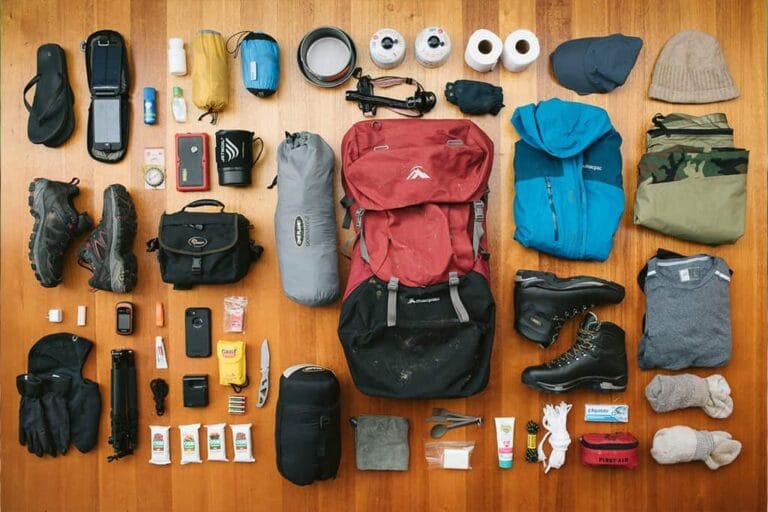
Namche Bazaar has a good selection of trekking shops, making it a great last-minute purchase before heading higher up. It’s your only window of opportunity to buy or replace your gear.
Just keep in mind that the quality and authenticity of products can vary. It’s usually easier to find basic items like hats, buffs, socks, water bottles, and trekking poles.
Make sure to inspect important gears thoroughly.
Food and Drinking Water
The town has a much wider food selection than most villages higher in the Everest region. You can find Nepali meals, noodles, soups, rice dishes, potatoes, baked goods, coffee, and some international options.
Vegetarians typically have plenty of choices too, as many common trekking meals are meat-free.
Always opt for treated or properly purified water. Ask your lodge about boiled water, filtered options, and local refill arrangements.
Pharmacies and Health Support
Namche has basic pharmacies and some limited medical support, which can be helpful for treating blisters, minor injuries, or replacing simple medication. Still, altitude sickness isn’t something you can just fix with random pills from a few different shops, so communicate any symptoms to your guide, seek proper medical advice when needed, and be ready to stop climbing or go down if necessary.
Hot Showers and Laundry
Many lodges offer hot showers, usually for a small extra fee. Laundry services might also be available, but drying clothes can take a while, especially in cold or damp weather. So, don’t wash everything you own the night before leaving Namche unless you’re okay with wearing wet clothes the next morning. Small choices can surprisingly matter in the mountains.
One Night
Spending just one night might work if you’re coming down from higher routes or just doing a very short trip. But it’s usually a rush for travelers who aren’t acclimatized and plan to sleep at a much higher altitude. You arrive tired, crash for the night, and then head out before your body really gets a chance to adjust.
Is it possible? Sure.
Is it smart for everyone? Not really.
Two Nights
Two nights is the standard choice for a lot of Everest-region trips. You get there on the first day, take an acclimatization walk on the second, and then move on the next morning. This gives you time to check out the town, sort out your gear, and see how your body feels at that altitude.
Three Nights
Three nights are better for slower travelers, photographers, or those who want to explore Khumjung, Khunde, or other nearby areas without feeling rushed. It also gives you extra flexibility if you’re tired or need more time before you continue. However, staying longer in Namche won’t protect you from altitude sickness later on since you’ll still be climbing higher after leaving the town.
Namche isn’t just a stop; it’s a crossroads where various routes in the Khumbu start to diverge.
The classic route to Everest Base Camp goes on towards Tengboche, Dingboche, Lobuche, and Gorakshep. Tengboche is famous for its monastery and stunning mountain views, while the trail gets higher and colder as you get closer to Base Camp. This is the most common direction from Namche, but there are other choices too.
Khumjung and Khunde are nearby and can be included in an acclimatization day or a more relaxed itinerary. They offer a peaceful break from the bustling vibe of Namche and give you a better look at daily life in the Khumbu.
The route to Gokyo branches off from the main Everest Base Camp trail and leads to beautiful turquoise lakes, high viewpoints, and the Cho La or Renjo La areas. It’s a longer and challenging trek that requires proper acclimatization and planning.
Thame is located west of Namche and leads into the Renjo La section of the Three Passes route. This area is generally quieter than the main EBC trail and has deep historical ties to Sherpa mountaineering and trade. The Three Passes trek is a serious high-altitude adventure, so don’t choose it just because the name sounds cool.
Travelers whose journey wraps up in Namche can head back to Monjo, Phakding, and Lukla. The return trip is usually faster since much of the route is downhill. But don’t be fooled—there are still climbs, uneven paths, and long days of walking. Just because you’re going downhill doesn’t mean it’s effortless! Your knees will definitely remind you of that.
Yes, but not from every corner of the town and not always as clearly as first-time visitors imagine.
Everest is partly hidden behind other mountains from many positions around Namche. Nearby peaks can look much larger because they are physically closer.
For a better chance of seeing Everest, walk above Namche towards Syangboche, Hotel Everest View or one of the surrounding viewpoints.
However, depending on weather the cloud can move into the valley quickly, particularly later in the day. Starting early usually gives you a better chance of clear mountain views, although nothing in the Himalayas is guaranteed.
Trek it with us
Our 16-day trek includes an acclimatisation stop in Namche Bazaar, with local guides and small groups. From £1,295 per person, land only.