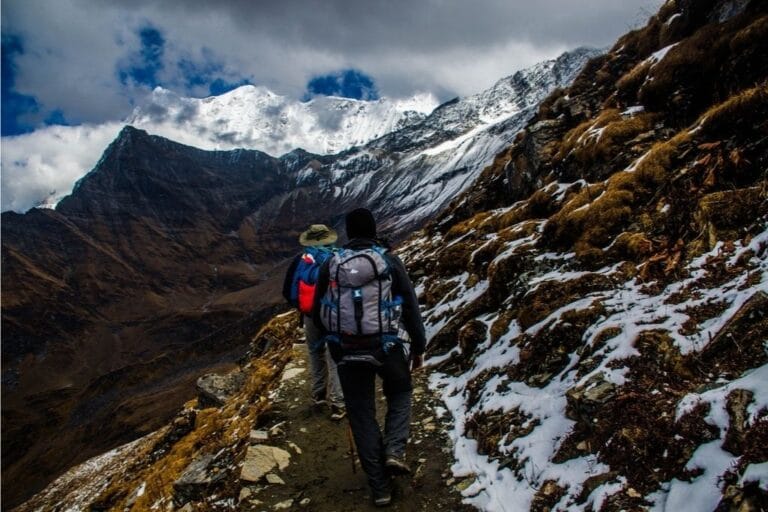

Trekking and hiking are moderate-intensity, weight-bearing exercise done outdoors, and that combination is what makes them so good for you. Regular walking is linked to lower blood pressure, better aerobic fitness, healthier body weight, stronger bones and a lower risk of early death, while time in nature is associated with better mood and wellbeing. Below we set out what the evidence actually shows, where the claims get overstated, and how to start safely.

The benefits of trekking at a glance
| Benefit | What the evidence shows | Strength of evidence |
|---|---|---|
| Heart and blood pressure | Walking programmes lower systolic blood pressure by around 3–4 mmHg on average | Strong (meta-analysis of trials) |
| Aerobic fitness | Regular walking measurably improves VO2 max in previously inactive adults | Strong |
| Weight and body fat | Modest reductions in weight, body fat and waist size | Moderate |
| Longevity | Walking at recommended levels is associated with about 11% lower all-cause mortality | Moderate (observational) |
| Bones and muscles | Weight-bearing exercise helps maintain bone density; hills build leg strength | Strong for weight-bearing exercise generally |
| Mental wellbeing | Two hours a week in nature is associated with better self-reported health and wellbeing | Moderate (large survey, association) |
| Stress and rumination | A 90-minute nature walk reduced rumination compared with an urban walk | Early (small experiment) |
| Social connection | Group treks build friendships; strong social ties are linked to better health | Moderate |
Physical benefits of trekking
1. It counts towards your weekly exercise target
The NHS recommends that adults do at least 150 minutes of moderate-intensity activity a week, or 75 minutes of vigorous activity, plus strengthening activities on at least two days. Hiking and brisk walking are both listed by the NHS as moderate-intensity activities, and steep uphill walking can push you into vigorous territory.
That means a single half-day hike can cover most of a week’s aerobic target. For people who find gyms uninspiring, a regular weekend walk is one of the easiest ways to meet the guidelines.
2. Better heart health and blood pressure
A meta-analysis of 32 randomised trials by Murtagh and colleagues looked at previously inactive adults who took up walking for an average of about 19 weeks. Compared with people who did not exercise, walkers reduced systolic blood pressure by around 3.6 mmHg and diastolic by around 1.5 mmHg, and improved aerobic fitness by about 3.2 ml/kg/min.
Those numbers may sound small, but at a population level a few points of blood pressure make a real difference to the risk of heart disease and stroke. The same review found no significant change in blood cholesterol, so walking should not be sold as a cure for high cholesterol.
3. Improved stamina and lung capacity for effort
Walking uphill with a pack trains your heart and lungs to deliver and use oxygen more efficiently. Your lungs themselves do not grow, but your aerobic capacity, the amount of oxygen your body can use during effort, improves with training. That is why the third week of a training plan feels easier than the first.

4. Stronger legs, core and balance
Uneven ground, steps and descents work the quadriceps, hamstrings, glutes and calves, and constantly challenge balance and the small stabilising muscles of the ankles and hips. Carrying a daypack adds load for the back and core. Long descents in particular strengthen the thigh muscles in their lengthening (eccentric) phase; our guide on how to train for downhill hiking explains why that matters.
5. Healthier bones
Walking is weight-bearing exercise, meaning your legs support your body weight. The NHS notes that weight-bearing and resistance exercise are particularly important for improving bone density, and lists brisk walking as a helpful option for older adults. Hiking on hills adds more load than flat walking. Swimming and cycling, by contrast, are not weight-bearing.
6. Weight management
Hiking burns more energy than ordinary walking because of hills, rough ground and the weight you carry. Harvard Health estimates that 30 minutes of cross-country hiking burns about 216 kcal for a 70 kg (155 lb) person, compared with about 133 kcal for walking at 3.5 mph. Over a six-hour trekking day the total is substantial.
The trial evidence shows walking programmes produce modest average weight loss, about 1.4 kg, so diet still matters most. On a high-altitude trek appetite often drops, and the priority is eating enough to fuel each day, not losing weight.
7. A longer, healthier life
A 2014 meta-analysis by Kelly and colleagues found that walking about 11.25 MET-hours a week, roughly equivalent to the recommended 150 minutes of moderate activity, was associated with an 11% lower risk of death from any cause, after accounting for other exercise. This is observational data, so it shows a link rather than proof, but it is consistent with a large body of research on physical activity and longevity.
Mental health benefits of trekking
8. Better mood and wellbeing from time in nature
A study of nearly 20,000 people in England, led by Dr Mat White at the University of Exeter and published in Scientific Reports in 2019, found that people who spent at least 120 minutes a week in nature were significantly more likely to report good health and high wellbeing than those who spent none. The benefit appeared whether the time was taken in one long visit or several shorter ones.
The study shows an association, not cause and effect, but it fits with wider evidence. The mental health charity Mind says time in green spaces and outdoor exercise may lift mood and ease stress, and can help with anxiety and depression. Walking is not a substitute for treatment if you are struggling: speak to your GP.
9. Less rumination and stress
In a 2015 Stanford study published in PNAS, participants who took a 90-minute walk in a natural setting reported less rumination, the repetitive negative thinking linked to depression, and showed reduced activity in a brain region associated with it. People who walked the same time in an urban setting did not. It was a small experiment, so treat it as promising rather than settled.
10. A real break from screens
On a multi-day trek in remote valleys, signal and Wi-Fi are patchy, and the day is shaped by daylight, meals and walking. Many trekkers find this enforced break from notifications one of the most restorative parts of the experience, and it often improves sleep routines at lower altitudes.
11. Confidence and resilience
Finishing a challenging multi-day route takes planning, problem-solving and persistence through tired legs and bad weather. Achieving a goal like reaching a base camp is a strong source of self-confidence that carries back into everyday life.
Social and cultural benefits
12. Friendships and shared experience
Group treks, walking clubs and lodge dining rooms are natural places to meet people. The Mayo Clinic notes that friends can boost happiness, reduce stress and help you cope with hard times, and that adults with strong social connections have a lower risk of many health problems, including depression and high blood pressure.

13. Culture, food and local life
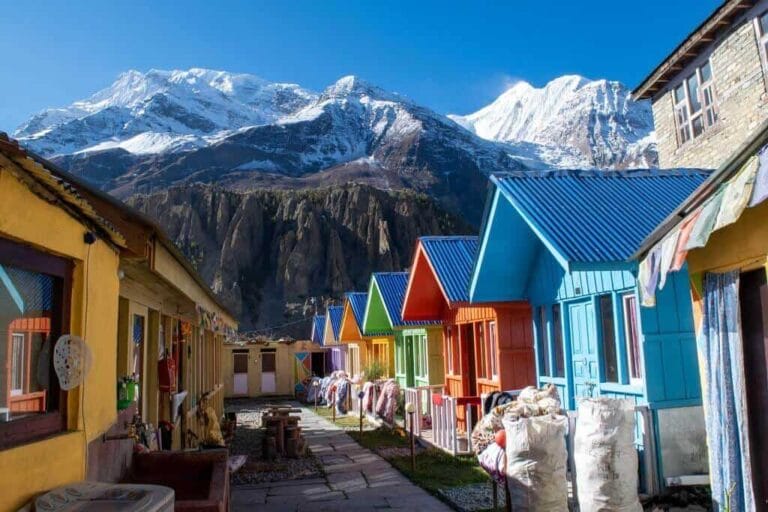
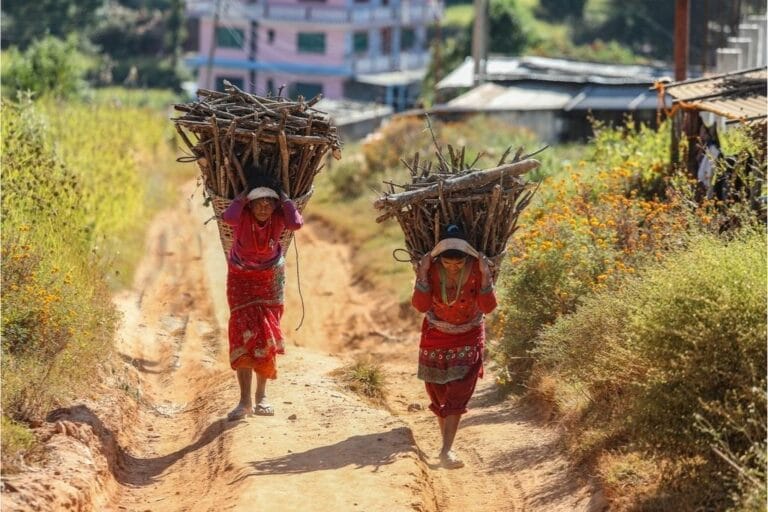
Walking through villages lets you see daily life at walking pace in a way a road trip cannot. In Nepal you eat dal bhat in family-run teahouses, pass prayer walls and monasteries, and learn about mountain communities from your guide. Our guide to culture in Nepal is a good primer.

14. Practical outdoor skills
Regular hiking teaches navigation, reading the weather, layering clothes, pacing yourself, managing water and looking after your feet. These skills make you safer on every future trip.
Hiking vs trekking: which gives more benefits?
Both deliver the same core benefits; trekking simply concentrates them. A day hike is the easiest way to build activity into a normal week. A trek adds consecutive days of activity, total immersion in nature and a longer break from routine. For the long-term health benefits, consistency matters more than one big trip, so the best approach is regular hiking all year with treks as goals. Our article on the difference between hiking and trekking explains the two in more detail.
Risks to keep in perspective
Trekking is safe for most people with sensible preparation, but it is not risk-free. Being honest about the risks is part of getting the benefits.
- Altitude. Above about 2,500 m, altitude sickness can affect anyone regardless of fitness. Ascend gradually and know the symptoms; read our guide to altitude sickness on Everest treks.
- Joints. Long descents load the knees. Poles, training and good technique help.
- Dehydration and heat. Drink regularly; our guide on how to stay hydrated when hiking has practical tips.
- Remoteness. Help can be far away. Go with a guide in unfamiliar terrain, carry a first aid kit and have insurance that covers the activity and altitude. See our safety tips for trekking in Nepal.
- Existing conditions. If you have a heart or lung condition, diabetes, are pregnant, or have been inactive for a long time, speak to your doctor before starting a demanding programme or a high-altitude trek.
How to get started
- Start where you are. If you are inactive, begin with 20–30 minute brisk walks most days and build up gradually.
- Add hills and distance. Over a few weeks, work towards a weekly walk of two to three hours with some climbing.
- Add strength work twice a week. Squats, step-ups, lunges and calf raises support your knees and help you meet the NHS strength guideline.
- Get the basics right. Comfortable, broken-in footwear, a waterproof, water and snacks are enough for most day walks.
- Join others. A walking group or a friend makes it more enjoyable and easier to stay consistent.
- Set a goal. A multi-day walk or a trek in Nepal gives your training a purpose. Our how to get in shape for trekking guide has a full plan.
New to multi-day walking? Our trekking for beginners guide covers kit, fitness and choosing a first route.
Turn the benefits into a trek
If you want a goal that brings all of these benefits together, Nepal’s teahouse treks are hard to beat: long days in the mountains, simple food, friendly lodges and no technical climbing. Start with our guide to trekking in Nepal, look at our 15-day Annapurna Base Camp trek (from £795) or 16-day Everest Base Camp trek (from £1,295), or plan a tailor-made trip with us.
Frequently asked questions
Is trekking good exercise?
Yes. The NHS lists hiking as a moderate-intensity activity, and steep climbs can be vigorous. A few hours of hiking a week can meet the recommended 150 minutes of moderate activity, and hills build leg strength and balance.
Does hiking help you lose weight?
It helps, but modestly on its own. Harvard Health estimates about 216 kcal per 30 minutes of cross-country hiking for a 70 kg person, and walking trials show average weight loss of about 1.4 kg. Combining regular hiking with a balanced diet works best.
How often should I hike to get health benefits?
Aim to meet the NHS guideline of 150 minutes of moderate activity a week, spread over several days, plus strength work twice a week. Research from the University of Exeter found the wellbeing benefits of nature appeared from around two hours a week.
Is hiking good for mental health?
The evidence is encouraging. Time in nature is associated with better self-reported wellbeing, and a small Stanford study found a 90-minute nature walk reduced rumination. Hiking can support mental health but is not a replacement for treatment; if you are struggling, speak to your GP.
Is hiking bad for your knees?
For most people, regular walking is good for joints, but long, steep descents put high loads through the knees. Building leg strength, using trekking poles and shortening your stride downhill all reduce strain. If you have existing knee problems, ask a physiotherapist for advice.
Is trekking at high altitude good for your health?
The exercise is beneficial, but altitude itself is a stress on the body. Above about 2,500 m altitude sickness is a real risk for anyone, so follow a gradual itinerary with acclimatisation days. If you have heart or lung conditions, speak to your doctor before planning a high-altitude trek.
What is the difference between the benefits of hiking and trekking?
They are largely the same, because both are walking outdoors. Trekking adds consecutive days of activity, longer immersion in nature and a bigger break from routine, while regular hiking is the easier way to stay active all year.
Can beginners go trekking?
Yes. Start with regular walks, build to long hilly days and back-to-back hikes, and choose a first trek that suits your experience. Our trekking for beginners guide explains how.